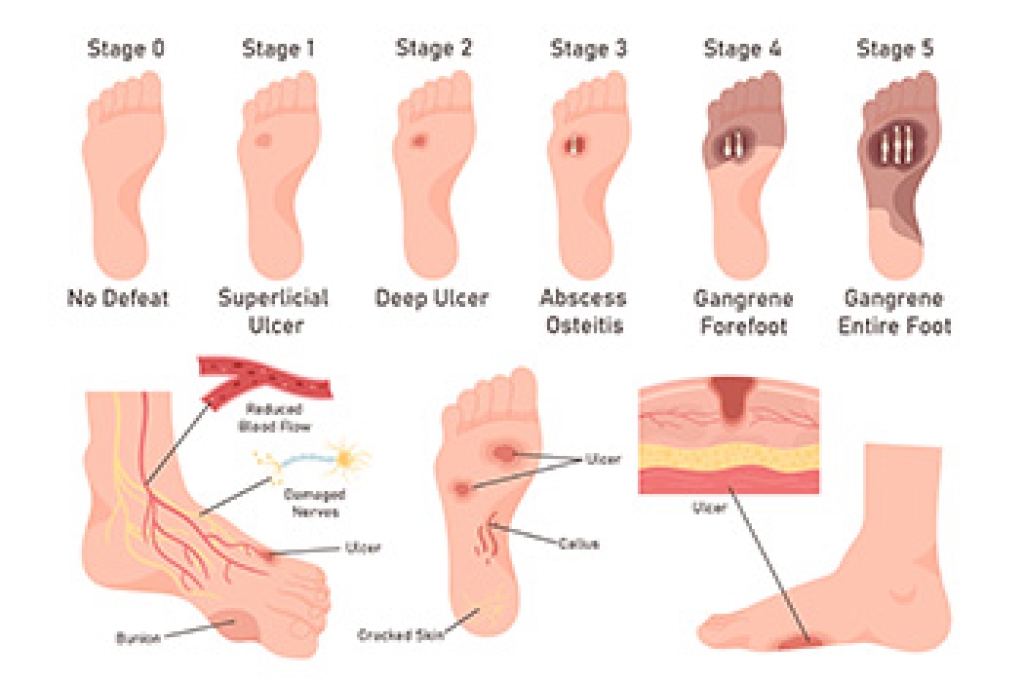
Stages of Pressure Ulcers and How to Care for Them

Pressure ulcers are skin wounds caused by prolonged pressure, commonly forming on the feet in those individuals with restricted mobility or circulation problems. These ulcers progress through four stages. Stage 1 appears as red or discolored skin that does not blanch when pressed. Stage 2 involves partial skin loss with a shallow open sore or blister. Stage 3 is marked by deeper tissue loss, possibly exposing fat. Stage 4 is the most severe, showing extensive damage to muscle, bone, or tendons. Early detection is critical at any stage. Reducing pressure with offloading devices, keeping the wound clean, and managing underlying conditions like diabetes are essential parts of care. Avoiding further irritation and maintaining overall skin health can prevent progression. If you observe skin changes or suspect an ulcer may be developing on your foot, it is suggested that you visit a podiatrist for accurate diagnosis and personalized treatment.

Wound care is an important part in dealing with diabetes. If you have diabetes and a foot wound or would like more information about wound care for diabetics, consult with Dr. Mark Gagnon from Advanced Podiatry. Our doctor will assess your condition and provide you with quality foot and ankle treatment.

What Is Wound Care?

Wound care is the practice of taking proper care of a wound. This can range from the smallest to the largest of wounds. While everyone can benefit from proper wound care, it is much more important for diabetics. Diabetics often suffer from poor blood circulation which causes wounds to heal much slower than they would in a non-diabetic. 

What Is the Importance of Wound Care?

While it may not seem apparent with small ulcers on the foot, for diabetics, any size ulcer can become infected. Diabetics often also suffer from neuropathy, or nerve loss. This means they might not even feel when they have an ulcer on their foot. If the wound becomes severely infected, amputation may be necessary. Therefore, it is of the upmost importance to properly care for any and all foot wounds.

How to Care for Wounds

The best way to care for foot wounds is to prevent them. For diabetics, this means daily inspections of the feet for any signs of abnormalities or ulcers. It is also recommended to see a podiatrist several times a year for a foot inspection. If you do have an ulcer, run the wound under water to clear dirt from the wound; then apply antibiotic ointment to the wound and cover with a bandage. Bandages should be changed daily and keeping pressure off the wound is smart. It is advised to see a podiatrist, who can keep an eye on it.

If you have any questions please contact one of our offices located in Crestwood, Orland Park, and Summit, IL . We offer the newest diagnostic and treatment technologies for all your foot and ankle needs.
Read more about Wound Care

Helping Seniors Prevent Falls by Managing Common Risk Factors

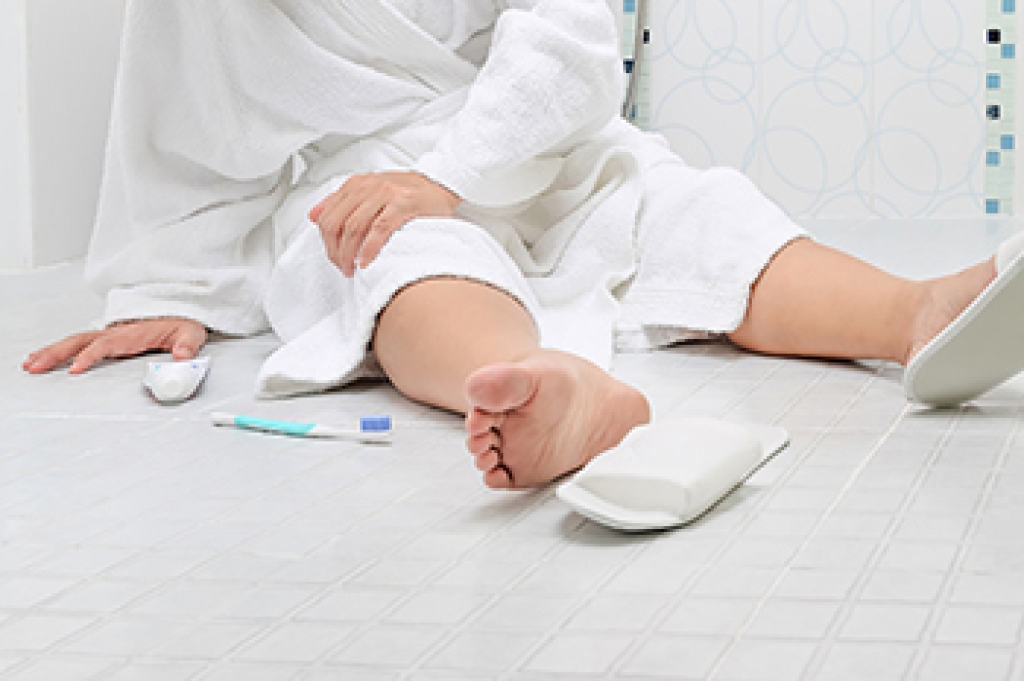
Preventing falls in the elderly requires attention to several common risk factors. Muscle weakness, especially in the legs, can negatively affect balance. Medication side effects, such as dizziness or drowsiness, may also increase fall risk. Chronic health conditions like arthritis, diabetes, or neurological disorders can interfere with mobility and coordination. Vision changes often make it harder to detect obstacles or judge distances. Inactivity over time can reduce strength and flexibility, making daily movements less steady. Additionally, risky behaviors like standing on a chair to reach high places further increase the chance of a fall. To reduce risk, older adults should stay physically active, use mobility aids when necessary, and ensure home safety. If you have fallen and injured your feet or ankles, it is suggested that you promptly contact a podiatrist who can treat various foot conditions, and guide you on additional fall prevention strategies.

Preventing falls among the elderly is very important. If you are older and have fallen or fear that you are prone to falling, consult with Dr. Mark Gagnon from Advanced Podiatry. Our doctor will assess your condition and provide you with quality advice and care.

Every 11 seconds, an elderly American is being treated in an emergency room for a fall related injury. Falls are the leading cause of head and hip injuries for those 65 and older. Due to decreases in strength, balance, senses, and lack of awareness, elderly persons are very susceptible to falling. Thankfully, there are a number of things older persons can do to prevent falls.

How to Prevent Falls

Some effective methods that older persons can do to prevent falls include:

  • Enrolling in strength and balance exercise program to increase balance and strength
  • Periodically having your sight and hearing checked
  • Discuss any medications you have with a doctor to see if it increases the risk of falling
  • Clearing the house of falling hazards and installing devices like grab bars and railings
  • Utilizing a walker or cane
  • Wearing shoes that provide good support and cushioning
  • Talking to family members about falling and increasing awareness

Falling can be a traumatic and embarrassing experience for elderly persons; this can make them less willing to leave the house, and less willing to talk to someone about their fears of falling. Doing such things, however, will increase the likelihood of tripping or losing one’s balance. Knowing the causes of falling and how to prevent them is the best way to mitigate the risk of serious injury.  

If you have any questions, please feel free to contact one of our offices located in Crestwood, Orland Park, and Summit, IL . We offer the newest diagnostic and treatment technologies for all your foot care needs.

Read more about Falls Prevention

Sesamoiditis and Its Impact on Foot Health

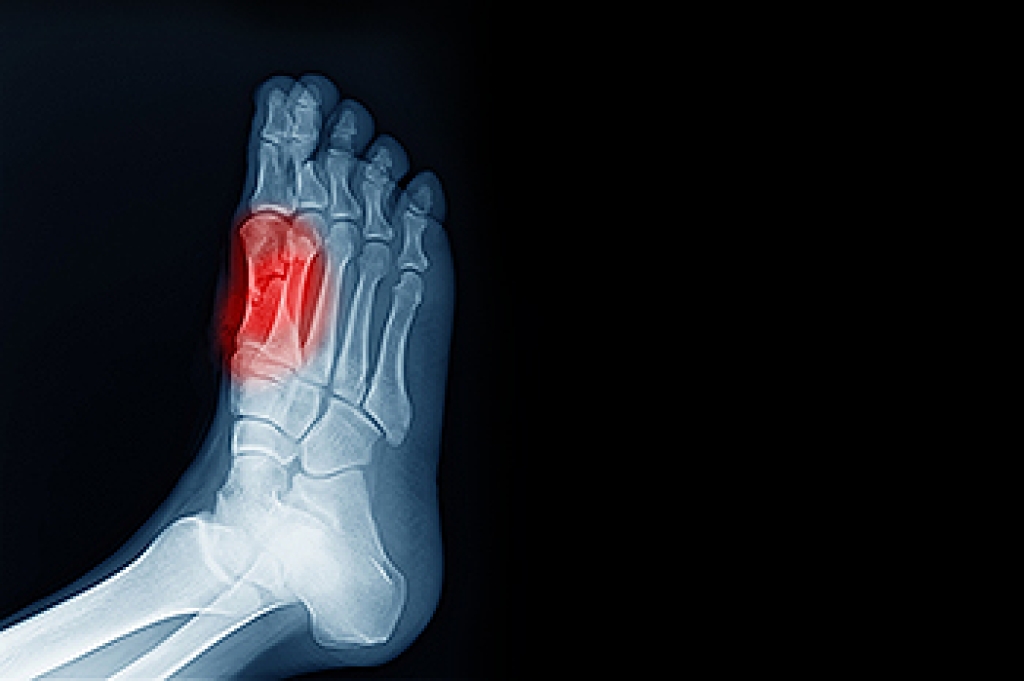
Sesamoiditis involves inflammation of the small sesamoid bones located beneath the big toe joint. These bones help with weight-bearing and movement during walking or running. The condition often develops from repeated injury or overuse, especially in activities that place pressure on the ball of the foot such as dancing, running, or wearing thin-soled shoes. Common symptoms include persistent pain beneath the big toe, swelling, and difficulty bending the toe. Pain may worsen with activity and ease with rest. Diagnosis typically involves a physical examination and imaging tests to rule out fractures or other conditions. If you have pain in this part of your foot, it is suggested that you consult a podiatrist who can accurately diagnose and treat sesamoiditis.

Sesamoiditis is an unpleasant foot condition characterized by pain in the balls of the feet. If you think you’re struggling with sesamoiditis, contact Dr. Mark Gagnon of Advanced Podiatry. Our doctor will treat your condition thoroughly and effectively.

Sesamoiditis

Sesamoiditis is a condition of the foot that affects the ball of the foot. It is more common in younger people than it is in older people. It can also occur with people who have begun a new exercise program, since their bodies are adjusting to the new physical regimen. Pain may also be caused by the inflammation of tendons surrounding the bones. It is important to seek treatment in its early stages because if you ignore the pain, this condition can lead to more serious problems such as severe irritation and bone fractures.

Causes of Sesamoiditis

  • Sudden increase in activity
  • Increase in physically strenuous movement without a proper warm up or build up
  • Foot structure: those who have smaller, bonier feet or those with a high arch may be more susceptible

Treatment for sesamoiditis is non-invasive and simple. Doctors may recommend a strict rest period where the patient forgoes most physical activity. This will help give the patient time to heal their feet through limited activity. For serious cases, it is best to speak with your doctor to determine a treatment option that will help your specific needs.

If you have any questions, please feel free to contact one of our offices located in Crestwood, Orland Park, and Summit, IL . We offer the newest diagnostic and treatment technologies for all your foot care needs.

Read more about Sesamoiditis

Are You Suffering From Ingrown Toenails?

If left untreated, an ingrown toenail can lead to more serious concerns, such as an infection. Knowing proper nail care can help in the prevention of an ingrown toenail. Give us a call, and get treated!

Common Pickleball Foot and Ankle Injuries

Pickleball has become a popular sport among people of all ages, but the quick lateral movements, abrupt stops, and sudden pivots can lead to various foot and ankle injuries. Common pickleball injuries include ankle sprains, tendon inflammation, plantar fasciitis, and fractures on the inner side of the ankle. These injuries often occur when a player twists the ankle or lands unevenly during play. Fractures involving the inner ankle may require immobilization or surgery, depending on the severity. A podiatrist can evaluate your injury through a physical exam and imaging tests to determine the appropriate course of treatment. Medical care may involve casting, supportive devices, or surgery to stabilize the bones and restore function. Without proper treatment, these injuries can lead to chronic pain or instability, especially in the ankle joint. If you have sustained a foot or ankle injury while playing pickleball, it is suggested that you seek treatment from a podiatrist.

Sports related foot and ankle injuries require proper treatment before players can go back to their regular routines. For more information, contact Dr. Mark Gagnon of Advanced Podiatry. Our doctor can provide the care you need to keep you pain-free and on your feet.

Sports Related Foot and Ankle Injuries

Foot and ankle injuries are a common occurrence when it comes to athletes of any sport. While many athletes dismiss the initial aches and pains, the truth is that ignoring potential foot and ankle injuries can lead to serious problems. As athletes continue to place pressure and strain the area further, a mild injury can turn into something as serious as a rupture and may lead to a permanent disability. There are many factors that contribute to sports related foot and ankle injuries, which include failure to warm up properly, not providing support or wearing bad footwear. Common injuries and conditions athletes face, including:

  • Plantar Fasciitis
  • Achilles Tendinitis
  • Achilles Tendon Rupture
  • Ankle Sprains

Sports related injuries are commonly treated using the RICE method. This includes rest, applying ice to the injured area, compression and elevating the ankle. More serious sprains and injuries may require surgery, which could include arthroscopic and reconstructive surgery. Rehabilitation and therapy may also be required in order to get any recovering athlete to become fully functional again. Any unusual aches and pains an athlete sustains must be evaluated by a licensed, reputable medical professional.

If you have any questions please contact one of our offices located in Crestwood, Orland Park, and Summit, IL . We offer the newest diagnostic and treatment technologies for all your foot and ankle needs.

Read more about Sports Related Foot And Ankle Injuries

Connect With Us