
Why Wearing Proper Pickleball Shoes Matters for Performance and Safety

Wearing proper pickleball shoes is essential for safety and performance on the court. These shoes are designed for side-to-side movement, quick stops, and a strong grip. Using them only for pickleball helps preserve their specialized structure, since other activities can break down support and traction. Wearing the wrong footwear may increase the risk of injuries such as ankle sprains, plantar fasciitis, and stress- related foot pain. Proper shoes help maintain balance and reduce strain during play. A podiatrist can evaluate foot mechanics and recommend the best footwear or orthotics. If you have sustained a foot or ankle injury while playing pickleball, it is suggested that you consult a podiatrist who can offer effective relief solutions and guidance on wearing the right footwear.

Getting the right shoe size is an important part of proper foot health. Seek the assistance of Dr. Mark Gagnon from Advanced Podiatry. Our doctor will provide the care you need to keep you pain-free and on your feet.

Getting the Right Shoe Size

There are many people who wear shoes that are the incorrect size, negatively affecting their feet and posture. Selecting the right shoes is not a difficult process, so long as you keep several things in mind when it comes to choosing the right pair.

  • When visiting the shoe store, use the tools available to measure your foot.
  • Be sure there is ‘wiggle room’. There should be about an inch between your toes and the tip of your shoes.
  • Do not always assume you are the same size, as manufacturers run differently.
  • Purchase shoes later in the day, as your feet swell as the day progresses.
  • If a shoe is not comfortable, it is not suitable. Most shoes can’t be ‘broken in’, and comfort should be the ultimate goal when it comes to choosing the right pair of shoes

As our feet hold our body weight and keep us moving, it is important to treat them right. Picking the right pair of shoes can provide your feet comfort and mobility without pain.

If you have any questions, please feel free to contact one of our offices located in Crestwood, Orland Park, and Summit, IL . We offer the newest diagnostic and treatment technologies for all your foot care needs.

Read more about Getting the Right Shoe Size: To Keep Your Feet Happy

Recognizing Toenail Fungus

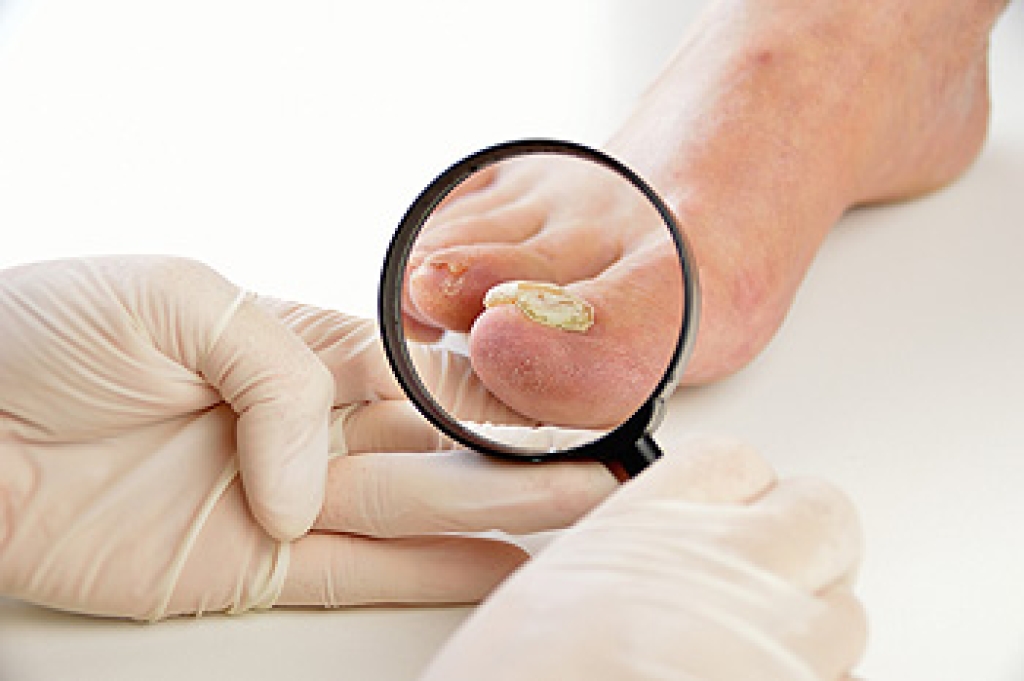
Toenail fungus is a common infection that affects the nails of the feet. It develops when tiny living organisms called fungi enter the nail through small cracks in the nail or surrounding skin. These organisms grow best in warm, moist places, which makes the inside of shoes an ideal environment. Early signs of toenail fungus include yellow, white, or brown discoloration of the nail. The nail may also become thick, brittle, or crumbly. In some cases, the nail may begin to separate from the skin beneath it, which can cause discomfort when wearing shoes. Although the infection may start as a minor cosmetic concern, it can gradually worsen and affect more of the nail if it is not treated. A podiatrist is trained to identify toenail fungus and determine the severity of the infection. They can recommend medical treatments that target the infection and help restore nail health. If you notice changes in your toenails, it is suggested that you make an appointment with a podiatrist for an exam, diagnosis, and treatment.

For more information about treatment, contact Dr. Mark Gagnon of Advanced Podiatry. Our doctor can provide the care you need to keep you pain-free and on your feet.

Toenail Fungus Treatment

Toenail fungus is a condition that affects many people and can be especially hard to get rid of. Fortunately, there are several methods to go about treating and avoiding it.

Antifungals & Deterrence

Oral antifungal medicine has been shown to be effective in many cases. It is important to consult with a podiatrist to determine the proper regiment for you, or potentially explore other options.

Applying foot powder on the feet and shoes helps keep the feet free of moisture and sweat.

Sandals or open toed shoes – Wearing these will allow air movement and help keep feet dry. They also expose your feet to light, which fungus cannot tolerate. Socks with moisture wicking material also help as well.

If you have any questions please contact one of our offices located in Crestwood, Orland Park, and Summit, IL . We offer the newest diagnostic and treatment technologies for all your foot and ankle needs.

Read more about How to Treat Your Toenail Fungus

Treatment Options for Ankle Bursitis

When the small, fluid-filled sacs around the ankle joint become irritated, a painful condition known as ankle bursitis can develop. These sacs, termed bursae, cushion the bones, tendons, and muscles that support the ankle. Bursae normally reduce friction and allow the ankle to move smoothly when walking and performing other daily activities. Symptoms of ankle bursitis include tenderness, warmth, stiffness, or a visible lump near the joint. Pain often worsens with pressure or continued movement. Repetitive stress from sports, long periods of standing, or a direct injury are causes of ankle bursitis. Infection, gout and certain forms of arthritis can increase the risk. Tight or poorly fitting shoes may also place extra pressure on the joint. A podiatrist can perform a thorough examination to confirm the diagnosis and rule out other problems. Treatment options include medication, custom orthotics, supportive footwear guidance, or targeted injections. If you have symptoms of ankle bursitis, it is suggested that you make an appointment with a podiatrist for an exam, diagnosis, and treatment.

Ankle pain can be caused by a number of problems and may be potentially serious. If you have ankle pain, consult with Dr. Mark Gagnon from Advanced Podiatry. Our doctor will assess your condition and provide you with quality foot and ankle treatment.

Ankle pain is any condition that causes pain in the ankle. Due to the fact that the ankle consists of tendons, muscles, bones, and ligaments, ankle pain can come from a number of different conditions.

Causes

The most common causes of ankle pain include:

  • Types of arthritis (rheumatoid, osteoarthritis, and gout)
  • Ankle sprains
  • Broken ankles
  • Achilles tendonitis
  • Achilles tendon rupture
  • Stress fractures
  • Bursitis
  • Tarsal tunnel syndrome
  • Plantar fasciitis

Symptoms

Symptoms of ankle injury vary based upon the condition. Pain may include general pain and discomfort, swelling, aching, redness, bruising, burning or stabbing sensations, and/or loss of sensation.

Diagnosis

Due to the wide variety of potential causes of ankle pain, podiatrists will utilize a number of different methods to properly diagnose ankle pain. This can include asking for personal and family medical histories and of any recent injuries. Further diagnosis may include sensation tests, a physical examination, and potentially x-rays or other imaging tests.

Treatment

Just as the range of causes varies widely, so do treatments. Some more common treatments are rest, ice packs, keeping pressure off the foot, orthotics and braces, medication for inflammation and pain, and surgery.

If you have any questions please feel free to contact one of our offices located in Crestwood, Orland Park, and Summit, IL . We offer the newest diagnostic tools and technology to treat your foot and ankle needs.

Read more about Ankle Pain

Exercises Play a Role in Ankle Sprain Recovery

An ankle sprain occurs when the ligaments, which are strong bands of tissue that connect bones, are stretched or torn after the foot rolls or twists. Symptoms often include pain, swelling, bruising, and difficulty bearing weight. Recovery time depends on severity, ranging from a few weeks for mild ligament stretching to several months for more serious tears. Exercise plays a key role in proper long-term healing. Early movement exercises help restore range of motion, which means how far and smoothly the joint can move. As healing progresses, strengthening exercises work to rebuild muscle support around the ankle, allowing it to move up and down. Balance training is also important to improve stability and prevent the ankle from repeatedly giving out, known as chronic ankle instability. A podiatrist can evaluate the sprain, order imaging to rule out fractures, provide bracing, and design a structured rehabilitation plan. If you have sprained an ankle, it is suggested that you make an appointment with a podiatrist for an exam, diagnosis, and treatment.

Although ankle sprains are common, they aren’t always minor injuries. If you need your ankle injury looked at, contact Dr. Mark Gagnon from Advanced Podiatry. Our doctor can provide the care you need to keep you pain-free and on your feet.

How Does an Ankle Sprain Occur?

Ankle sprains are the result of a tear in the ligaments within the ankle. These injuries may happen when you make a rapid shifting movement while your foot is planted. A less common way to sprain your ankle is when your ankle rolls inward while your foot turns outward.

What Are the Symptoms?

  • Pain at the sight of the tear
  • Bruising/Swelling
  • Ankle area is tender to touch
  • In severe cases, may hear/feel something tear
  • Skin discoloration

Preventing a Sprain

  • Wearing appropriate shoes for the occasion
  • Stretching before exercises and sports
  • Knowing your limits

Treatment of a Sprain

In many cases, the RICE method (Rest, Ice, Compression, and Elevate) is used to treat ankle sprains. However, you should see a podiatrist to see which treatment option would work best with your injury. In severe cases, surgery may be required.

It is important to ask your doctor about rehab options after you receive treatment for your injury. Stretching, strength training, and balance exercises may help the ankle heal while also preventing further injury.

If you have any questions, please feel free to contact one of our offices located in Crestwood, Orland Park, and Summit, IL . We offer the newest diagnostic and treatment technologies for all your foot care needs.
Read more about Three Grades of Ankle Sprains

Why Live with Pain and Numbness in Your Feet?

Suffering from this type of pain? You may have the foot condition known as Morton's neuroma. Morton's neuroma may develop as a result of ill-fitting footwear and existing foot deformities. We can help.

Connect With Us