Sesamoiditis and Pain Beneath the Big Toe

Sesamoiditis is a condition involving inflammation of the small sesamoid bones located beneath the big toe joint. It is often caused by overuse, repetitive strain, or injury that places stress on this area. Pain typically develops gradually under the big toe and may worsen with walking or activity. This condition can sometimes be confused with gout, which is an inflammatory arthritis that often causes sudden intense pain in the big toe joint due to crystal buildup. Symptoms of sesamoiditis usually include localized tenderness and swelling rather than sudden severe attacks. A podiatrist can evaluate the problem, recommend treatments, and provide support. If you have any of the above symptoms, it is suggested that you consult a podiatrist who can accurately diagnose and treat what may be going on.

Sesamoiditis is an unpleasant foot condition characterized by pain in the balls of the feet. If you think you’re struggling with sesamoiditis, contact Dr. Mark Gagnon of Advanced Podiatry. Our doctor will treat your condition thoroughly and effectively.

Sesamoiditis

Sesamoiditis is a condition of the foot that affects the ball of the foot. It is more common in younger people than it is in older people. It can also occur with people who have begun a new exercise program, since their bodies are adjusting to the new physical regimen. Pain may also be caused by the inflammation of tendons surrounding the bones. It is important to seek treatment in its early stages because if you ignore the pain, this condition can lead to more serious problems such as severe irritation and bone fractures.

Causes of Sesamoiditis

  • Sudden increase in activity
  • Increase in physically strenuous movement without a proper warm up or build up
  • Foot structure: those who have smaller, bonier feet or those with a high arch may be more susceptible

Treatment for sesamoiditis is non-invasive and simple. Doctors may recommend a strict rest period where the patient forgoes most physical activity. This will help give the patient time to heal their feet through limited activity. For serious cases, it is best to speak with your doctor to determine a treatment option that will help your specific needs.

If you have any questions, please feel free to contact one of our offices located in Crestwood, Orland Park, and Summit, IL . We offer the newest diagnostic and treatment technologies for all your foot care needs.

Read more about Sesamoiditis

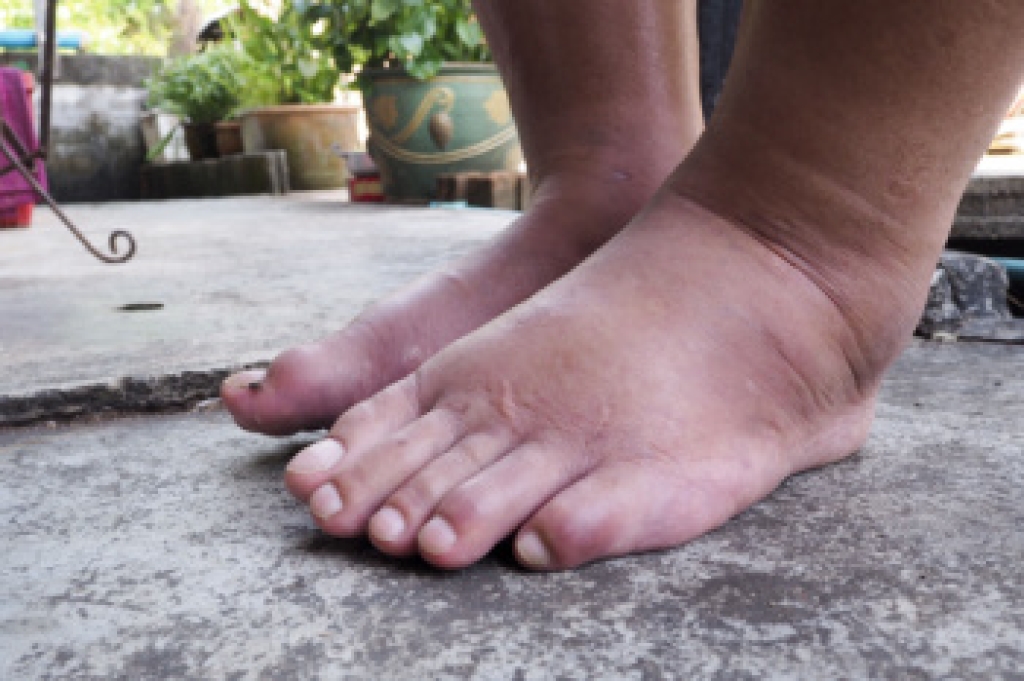
Why Feet Become Swollen

Swelling of the feet, also known as edema, occurs when fluid builds up in the tissues. The feet may appear puffy, stretched, or shiny. The skin may feel tight or leave an indentation when pressed. Some people notice discomfort, heaviness, or difficulty fitting into their shoes, especially later in the day. Causes for swollen feet include standing or sitting for long periods of time, injury, or pregnancy. Additionally, underlying conditions that affect circulation, the heart, kidneys, or lymphatic system can also contribute to swelling. A podiatrist can examine the feet and ankles, assess circulation, and help determine whether the swelling is localized or related to a broader medical issue. Treatment options include elevation, compression, and supportive footwear. Targeted exercises may be suggested to encourage fluid movement. Identifying the cause is important to guide proper care and prevent complications. If you have swollen feet, it is suggested that you schedule an appointment with a podiatrist for appropriate relief and management tips.

Swollen feet can be a sign of an underlying condition. If you have any concerns, contact Dr. Mark Gagnon of Advanced Podiatry. Our doctor can provide the care you need to keep you pain-free and on your feet.

Swollen feet are a common ailment among pregnant women and people who stand or sit for extended periods. Aging may increase the possibility of swollen feet and patients who are obese often notice when their feet are swelling too. There may be medical reasons why swollen feet occur:

  • Phlebitis - A condition that causes the veins to become inflamed and can also cause leg pain.
  • Liver disease - This may lead to low blood levels of albumin which is a protein. This can cause fluid in the blood to pass into the tissues and several areas of the body can become swollen.
  • Heart failure - When the heart doesn’t pump properly the blood that is normally pumped back to the heart can pool in the veins of the legs causing swollen feet.
  • Kidney disease - One of the main functions of the kidneys is releasing excess fluid in the body. This type of condition can make it difficult for the kidneys to function properly, and as a result the feet may become swollen.
  • Deep-vein thrombosis (DVT)- This is a serious condition where blood clots form in the veins of the legs. They can block the return of blood from the legs to the heart which may cause the feet to swell. It is important to be treated by a podiatrist if this condition is present.

Swollen feet can also be caused by bone and tendon conditions, including fractures, arthritis, and tendinitis. Additionally, there may be skin and toenail conditions and an infection may cause the feet to swell. Patients who take medicine to treat high blood pressure may be prone to getting swollen feet. 

Many patients elevate their feet to help relieve the swelling and this is generally a temporary remedy. When a podiatrist is consulted the reason behind the swelling can be uncovered and subsequently treated.

If you have any questions please contact one of our offices located in Crestwood, Orland Park, and Summit, IL . We offer the newest diagnostic and treatment technologies for all your foot and ankle needs.

Read more about Swelling of the Feet

What Causes an Ingrown Toenail?

An ingrown toenail develops when the edge of a nail grows into the surrounding skin, most often affecting the big toe. This can lead to pain, redness, and swelling of the skin surrounding the nail, making walking uncomfortable. Common causes include improper nail trimming, wearing tight shoes, obesity, and repetitive activities that place extra pressure on the toes, like kicking a ball. Risk factors also include curved nails and poor foot hygiene. Early care can prevent worsening symptoms or infection. A podiatrist can safely treat the condition, relieve discomfort, and provide guidance on proper nail care and footwear. If you notice signs of an ingrown toenail, it is suggested that you promptly consult a podiatrist who can offer effective treatment solutions, which may include minor surgery for removal.

Ingrown toenails can become painful if they are not treated properly. For more information about ingrown toenails, contact Dr. Mark Gagnon of Advanced Podiatry. Our doctor can provide the care you need to keep you pain-free and on your feet.

Ingrown Toenails

Ingrown toenails occur when a toenail grows sideways into the bed of the nail, causing pain, swelling, and possibly infection.

Causes

  • Bacterial infections
  • Improper nail cutting such as cutting it too short or not straight across
  • Trauma to the toe, such as stubbing, which causes the nail to grow back irregularly
  • Ill-fitting shoes that bunch the toes too close together
  • Genetic predisposition

Prevention

Wearing proper fitting shoes and using proper cutting techniques will also help decrease your risk of developing ingrown toenails.

Treatment

Ingrown toenails are a very treatable foot condition. In minor cases, soaking the affected area in salt or antibacterial soaps will not only help with the ingrown nail itself, but also help prevent any infections from occurring. In more severe cases, surgery is an option. In either case, speaking to your podiatrist about this condition will help you get a better understanding of specific treatment options that are right for you.

If you have any questions, please feel free to contact one of our offices located in Crestwood, Orland Park, and Summit, IL . We offer the newest diagnostic and treatment technologies for all your foot care needs.

Read more about Ingrown Toenails

Are Bunions Affecting Your Everyday Life?

Have you noticed a bony protrusion on the side of your big toe? If so, you may have developed the foot condition known as a bunion. Don't let bunions interfere with your daily activities.

Morton’s Neuroma and Metatarsalgia

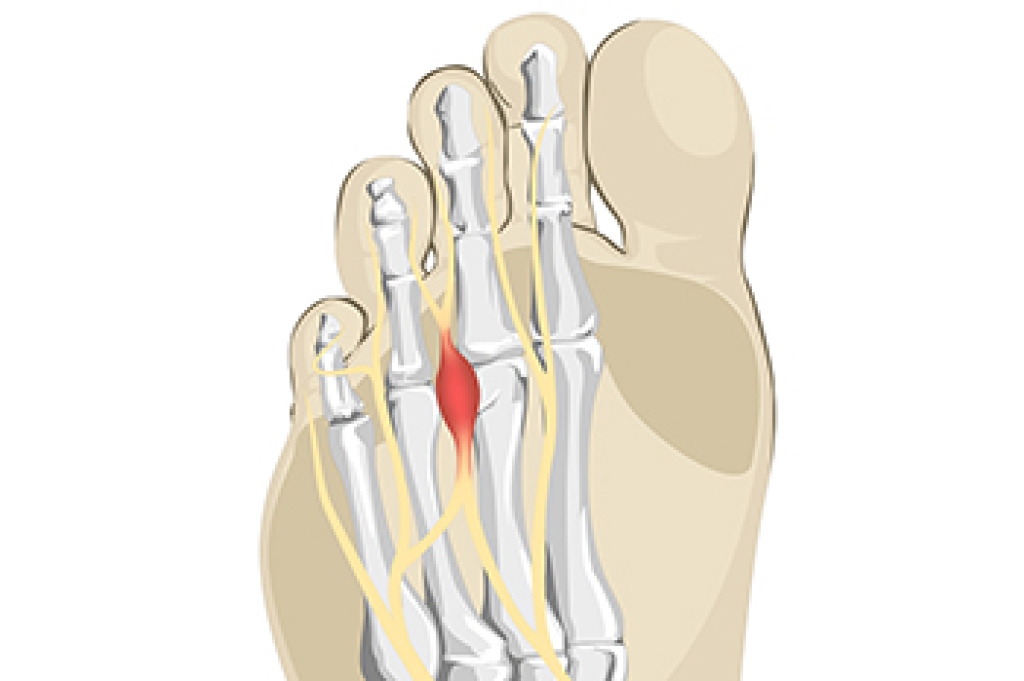
Morton’s neuroma is a condition involving inflammation and thickening of tissue surrounding a nerve between the toes, most commonly between the third and fourth toes. Metatarsalgia is an overall term for pain in the ball of the foot and Morton’s neuroma may cause this type of pain. This pressure on the nerve can lead to sharp pain, burning sensations, or the feeling of standing on a pebble. Causes include repeated irritation from wearing high heels or pointed shoes that compress the forefoot. Risk factors include being female, increasing age, and foot abnormalities such as flat feet or high arches. Symptoms may worsen with walking or wearing tight footwear, and improve with rest. A podiatrist can diagnose the condition, recommend footwear changes, provide padding or orthotics, and offer treatment to reduce nerve irritation. If you have pain in this part of your foot, it is suggested that you consult a podiatrist who can accurately diagnose and treat what may be going on.

Morton’s neuroma is a very uncomfortable condition to live with. If you think you have Morton’s neuroma, contact Dr. Mark Gagnon of Advanced Podiatry. Our doctor will attend to all of your foot care needs and answer any of your related questions.  

Morton’s Neuroma

Morton's neuroma is a painful foot condition that commonly affects the areas between the second and third or third and fourth toe, although other areas of the foot are also susceptible. Morton’s neuroma is caused by an inflamed nerve in the foot that is being squeezed and aggravated by surrounding bones.

What Increases the Chances of Having Morton’s Neuroma?

  • Ill-fitting high heels or shoes that add pressure to the toe or foot
  • Jogging, running or any sport that involves constant impact to the foot
  • Flat feet, bunions, and any other foot deformities

Morton’s neuroma is a very treatable condition. Orthotics and shoe inserts can often be used to alleviate the pain on the forefront of the feet. In more severe cases, corticosteroids can also be prescribed. In order to figure out the best treatment for your neuroma, it’s recommended to seek the care of a podiatrist who can diagnose your condition and provide different treatment options.

If you have any questions, please feel free to contact one of our offices located in Crestwood, Orland Park, and Summit, IL . We offer the newest diagnostic and treatment technologies for all your foot care needs.
Read more about Morton's Neuroma

Connect With Us