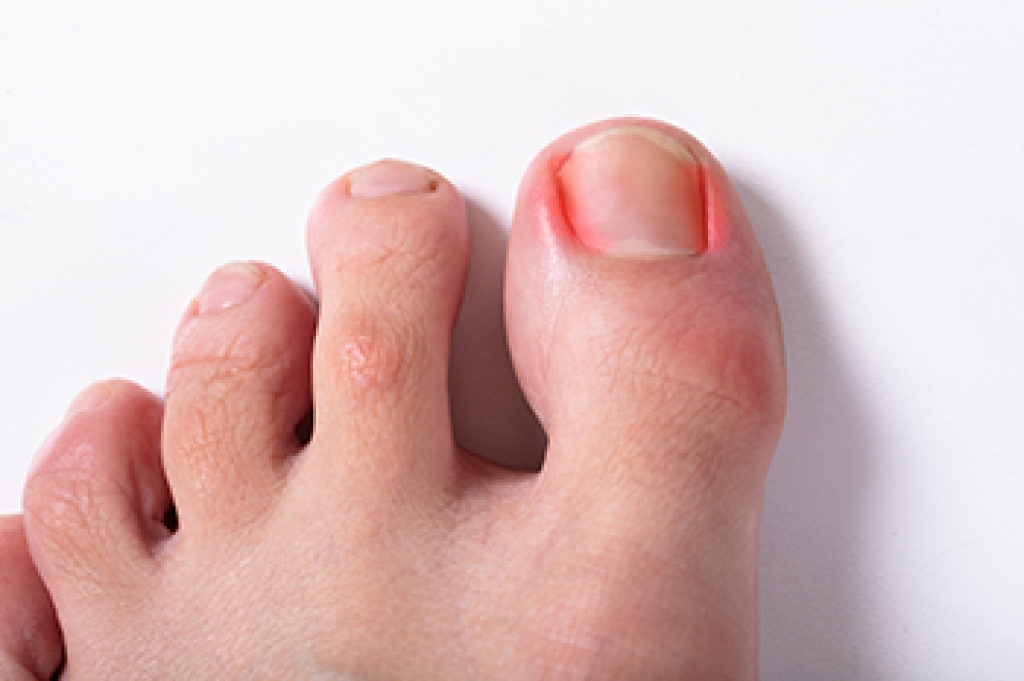
Causes and Risk Factors for Ingrown Toenails

Ingrown toenails develop when the edge of a nail grows into the surrounding skin, leading to pain, swelling, and possible infection. An ingrown toenail usually affects the big toe, which can become infected if ignored. Causes include cutting nails too short, rounding the corners, or wearing tight shoes that crowd the toes. Excess moisture from sweaty feet can soften the skin, making it easier for the nail to penetrate. Some people inherit curved toenails that increase risk, while conditions like diabetes or poor circulation can slow healing and raise the chance of infection. Signs of ingrown toenails include redness, drainage, or overgrown tissue along the nail edge. A podiatrist can evaluate the toenail, relieve pressure, remove the problematic portion of the nail, and address infection to prevent complications. If you have a painful ingrown toenail, it is suggested that you make an appointment with a podiatrist for treatment.

Ingrown toenails may initially present themselves as a minor discomfort, but they may progress into an infection in the skin without proper treatment. For more information about ingrown toenails, contact Dr. Mark Gagnon of Advanced Podiatry. Our doctor can provide the care you need to keep you pain-free and on your feet.

Ingrown Toenails

Ingrown toenails are caused when the corner or side of a toenail grows into the soft flesh surrounding it. They often result in redness, swelling, pain, and in some cases, infection. This condition typically affects the big toe and may recur if it is not treated properly.

Causes

  • Improper toenail trimming
  • Genetics
  • Improper shoe fitting
  • Injury from pedicures or nail picking
  • Abnormal gait
  • Poor hygiene

You are more likely to develop an ingrown toenail if you are obese, have diabetes, arthritis, or have any fungal infection in your nails. Additionally, people who have foot or toe deformities are at a higher risk of developing an ingrown toenail.

Symptoms

Some symptoms of ingrown toenails are redness, swelling, and pain. In rare cases, there may be a yellowish drainage coming from the nail.

Treatment

Ignoring an ingrown toenail can have serious complications. Infections of the nail border can progress to a deeper soft-tissue infection, which can then turn into a bone infection. You should always speak with your podiatrist if you suspect you have an ingrown toenail, especially if you have diabetes or poor circulation.

If you have any questions, please feel free to contact one of our offices located in Crestwood, Orland Park, and Summit, IL . We offer the newest diagnostic and treatment technologies for all your foot care needs.
Read more about Ingrown Toenail Care

Facts About Bunions

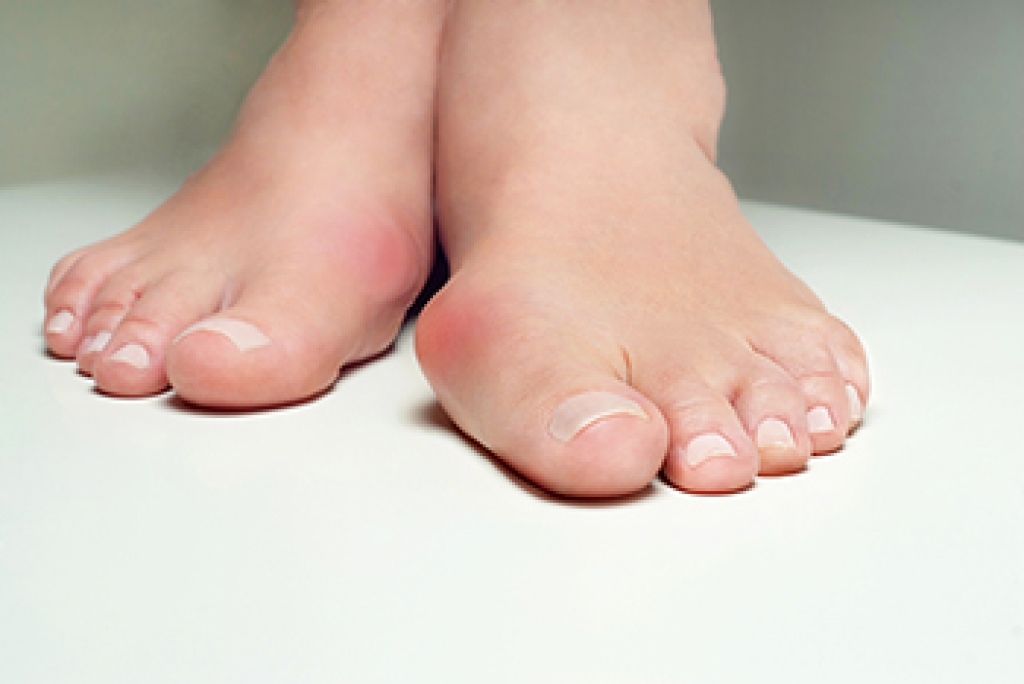
A bunion is a common foot condition that causes a bony bump to form at the base of the big toe. As the condition develops, the big toe gradually shifts toward the smaller toes, which can change the shape of the foot and make certain shoes uncomfortable to wear. Bunions often run in families because inherited foot structure can increase the likelihood of developing them. Common symptoms include pain, swelling and tenderness around the joint. Many have difficulty finding shoes that fit comfortably. Although genetics play a major role, wearing narrow, tight, or high-heeled shoes can place extra pressure on the big toe joint and may worsen symptoms over time. Other risk factors include flat feet, arthritis, and activities that place repeated stress on the front of the foot. Without treatment, a bunion may become larger and more painful. A podiatrist can assess the severity of the condition and recommend footwear modifications, padding, or surgery when necessary. If you have bunion pain, it is suggested that you schedule an appointment with a podiatrist for evaluation and treatment.

If you are suffering from bunion pain, contact Dr. Mark Gagnon of Advanced Podiatry. Our doctor can provide the care you need to keep you pain-free and on your feet.

What Is a Bunion?

Bunions are painful bony bumps that usually develop on the inside of the foot at the joint of the big toe. As the deformity increases over time, it may become painful to walk and wear shoes. Women are more likely to exacerbate existing bunions since they often wear tight, narrow shoes that shift their toes together. Bunion pain can be relieved by wearing wider shoes with enough room for the toes.

Causes

  • Genetics – some people inherit feet that are more prone to bunion development
  • Inflammatory Conditions - rheumatoid arthritis and polio may cause bunion development

Symptoms

  • Redness and inflammation
  • Pain and tenderness
  • Callus or corns on the bump
  • Restricted motion in the big toe

In order to diagnose your bunion, your podiatrist may ask about your medical history, symptoms, and general health. Your doctor might also order an x-ray to take a closer look at your feet. Nonsurgical treatment options include orthotics, padding, icing, changes in footwear, and medication. If nonsurgical treatments don’t alleviate your bunion pain, surgery may be necessary.

If you have any questions, please feel free to contact one of our offices located in Crestwood, Orland Park, and Summit, IL . We offer the newest diagnostic and treatment technologies for all your foot care needs.
Read more about Bunions

What Happens With a Broken Toe

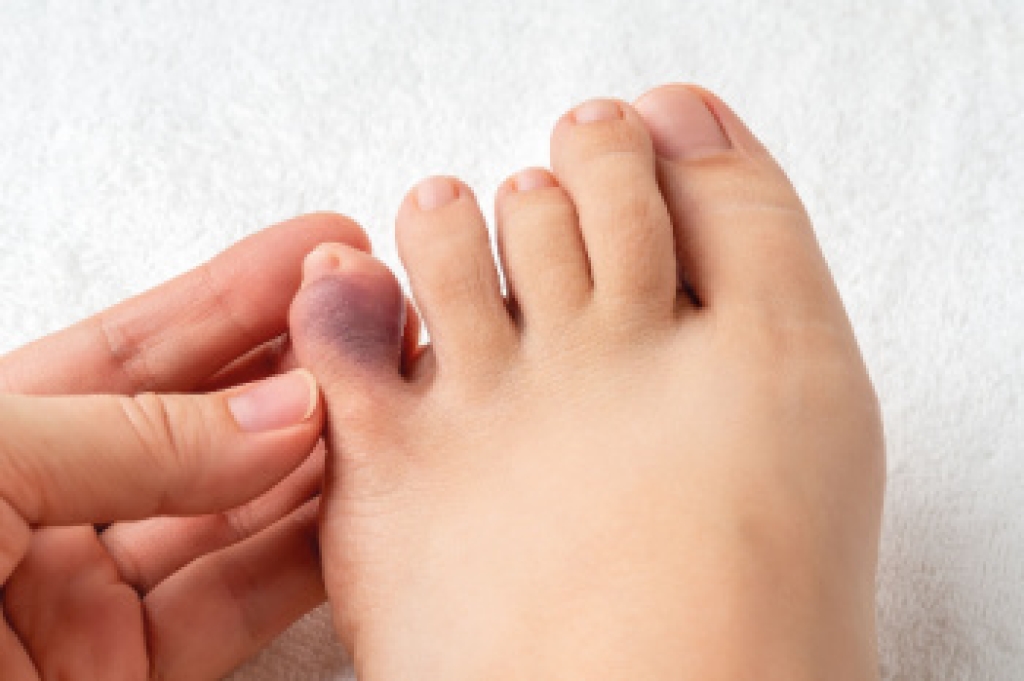
A broken toe is a fracture in one of the small bones of the toes, usually caused by direct impact or repeated stress. It often appears with symptoms consisting of sudden pain, swelling, bruising, and difficulty walking. Some people notice the toe looks misaligned or feels tender when touched. This injury can happen from stubbing the toe, dropping a heavy object, or from overuse in sports. Risk factors include weak bone density, wearing poor footwear, and active lifestyles that involve running or jumping. Healing time varies, but most cases improve over several weeks with proper care and protection. A podiatrist can confirm the fracture with imaging, ensure proper alignment, and guide treatment to avoid long term problems. If you have broken your toe, it is suggested that you consult a podiatrist who can guide you to an appropriate treatment plan.

A broken toe can be very painful and lead to complications if not properly fixed. If you have any concerns about your feet, contact Dr. Mark Gagnon from Advanced Podiatry. Our doctor will treat your foot and ankle needs.

What to Know About a Broken Toe

Although most people try to avoid foot trauma such as banging, stubbing, or dropping heavy objects on their feet, the unfortunate fact is that it is a common occurrence. Given the fact that toes are positioned in front of the feet, they typically sustain the brunt of such trauma. When trauma occurs to a toe, the result can be a painful break (fracture).

Symptoms of a Broken Toe

  • Throbbing pain
  • Swelling
  • Bruising on the skin and toenail
  • The inability to move the toe
  • Toe appears crooked or disfigured
  • Tingling or numbness in the toe

Generally, it is best to stay off of the injured toe with the affected foot elevated.

Severe toe fractures may be treated with a splint, cast, and in some cases, minor surgery. Due to its position and the pressure it endures with daily activity, future complications can occur if the big toe is not properly treated.

If you have any questions, please feel free to contact one of our offices located in Crestwood, Orland Park, and Summit, IL . We offer the newest diagnostic and treatment technologies for all your foot care needs.

Read more about What to Know About a Broken Toe

Sudden Joint Pain May Be Gout

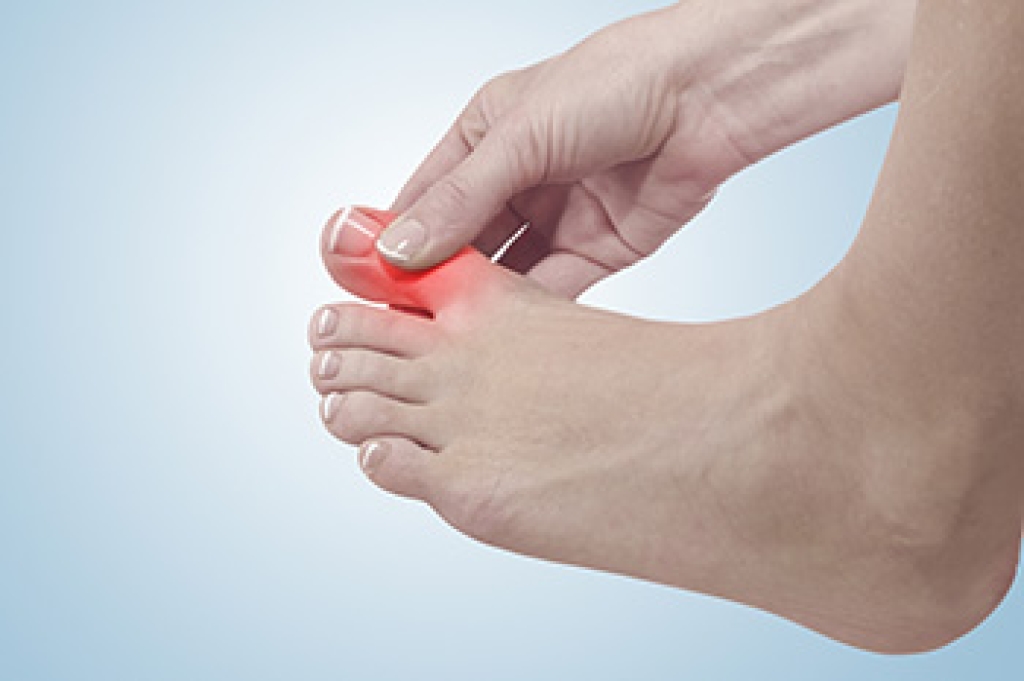
Gout is a form of inflammatory arthritis caused by a buildup of uric acid crystals in the joints, most commonly affecting the big toe. Attacks often begin suddenly and may cause intense pain, redness, and swelling that can become severe within hours. The affected joint may appear shiny, swollen, and extremely tender. Flare-ups make walking or even light pressure from a bedsheet uncomfortable. Gout can develop when the body produces too much uric acid or cannot remove it efficiently. Diet, dehydration, and taking certain medications are risk factors. Obesity and family history may also contribute. Some people experience repeated flares that can eventually damage the joints if left untreated. A podiatrist can evaluate the symptoms, examine the affected joint, and may recommend imaging or laboratory testing to confirm the diagnosis. Treatment often includes medication to reduce inflammation and lower uric acid levels, along with guidance about long-term prevention strategies. If you suspect you have gout in your big toe or ankle, it is suggested that you make an appointment with a podiatrist.

Gout is a foot condition that requires certain treatment and care. If you are seeking treatment, contact Dr. Mark Gagnon from Advanced Podiatry. Our doctor will treat your foot and ankle needs.

What Is Gout?

Gout is a type of arthritis caused by a buildup of uric acid in the bloodstream. It often develops in the foot, especially the big toe area, although it can manifest in other parts of the body as well. Gout can make walking and standing very painful and is especially common in diabetics and the obese.

People typically get gout because of a poor diet. Genetic predisposition is also a factor. The children of parents who have had gout frequently have a chance of developing it themselves.

Gout can easily be identified by redness and inflammation of the big toe and the surrounding areas of the foot. Other symptoms include extreme fatigue, joint pain, and running high fevers. Sometimes corticosteroid drugs can be prescribed to treat gout, but the best way to combat this disease is to get more exercise and eat a better diet.

If you have any questions, please feel free to contact one of our offices located in Crestwood, Orland Park, and Summit, IL . We offer the newest diagnostic and treatment technologies for all your foot care needs.

Read more about Gout

Gout Pain Can Be Managed

Gout is a painful, inflammatory form of arthritis. Those affected will typically feel an intense stiffness in the joints of their feet, particularly in the big toe. Schedule a visit to learn about how gout can be managed and treated.

Connect With Us