
Ingrown Toenails Causes and How Podiatrists Treat Them

An ingrown toenail develops when the edge of a nail presses into the nearby skin instead of growing forward normally. The big toe is affected most often because it receives considerable pressure inside a shoe. Early signs include tenderness, redness, and swelling along one side of the nail. If bacteria enter the irritated area, drainage or a pocket of pus can appear. Patients with diabetes, poor circulation, or reduced feeling in the feet face a greater risk of complications. They should have any unusual nail changes examined promptly.

Several factors can cause an ingrown toenail. Cutting a nail too short or rounding its corners can encourage the edge to grow into the skin. Wearing tight shoes can squeeze the toes and increase pressure along the nail borders. A toe injury can also change the way the nail grows. Some patients inherit nails that curve sharply at the sides, making the problem more likely. Without professional care, continued irritation can lead to infection and increased pain. Severe redness, spreading swelling, or drainage requires prompt attention from a podiatrist.

A podiatrist can examine the nail, check for infection, and determine how deeply the edge has entered the skin. Treatment includes carefully trimming, lifting, or removing the troublesome nail section, depending on severity. When an ingrown toenail repeatedly returns, a minor procedure can treat part of the nail-growth area and prevent the same edge from growing back. The podiatrist can also address thick nails and recommend properly fitting shoes with enough room around the toes. Patients with diabetes or circulation problems benefit from professional nail care because small wounds can become serious quickly. Timely treatment eases pressure, protects nearby tissue, and lowers the risk of infection. Surgery is generally reserved for repeated or severe cases. If you have a painful ingrown toenail, it is suggested that you schedule an appointment with a podiatrist for effective relief and treatment solutions.

Ingrown toenails can become painful if they are not treated properly. For more information about ingrown toenails, contact Dr. Mark Gagnon of Advanced Podiatry. Our doctor can provide the care you need to keep you pain-free and on your feet.

Ingrown Toenails

Ingrown toenails occur when a toenail grows sideways into the bed of the nail, causing pain, swelling, and possibly infection.

Causes

  • Bacterial infections
  • Improper nail cutting such as cutting it too short or not straight across
  • Trauma to the toe, such as stubbing, which causes the nail to grow back irregularly
  • Ill-fitting shoes that bunch the toes too close together
  • Genetic predisposition

Prevention

Wearing proper fitting shoes and using proper cutting techniques will also help decrease your risk of developing ingrown toenails.

Treatment

Ingrown toenails are a very treatable foot condition. In minor cases, soaking the affected area in salt or antibacterial soaps will not only help with the ingrown nail itself, but also help prevent any infections from occurring. In more severe cases, surgery is an option. In either case, speaking to your podiatrist about this condition will help you get a better understanding of specific treatment options that are right for you.

If you have any questions, please feel free to contact one of our offices located in Crestwood, Orland Park, and Summit, IL . We offer the newest diagnostic and treatment technologies for all your foot care needs.

Read more about Ingrown Toenail Care

Podiatric Care Can Relieve Plantar Fasciitis Pain

Plantar fasciitis develops when the thick band of tissue along the bottom of the foot becomes irritated. This tissue, called the plantar fascia, connects the heel bone to the toes and helps support the arch. The condition usually causes a sharp or aching pain near the heel. Pain is frequently strongest with the first steps after getting out of bed or standing after a long rest. It can ease after several minutes of movement, then return after extended standing or activity. The discomfort can change the way a person walks, which can place extra strain on the foot and ankle.

Repeated stress on the plantar fascia is a major cause of this condition. Running, prolonged standing, and a sudden increase in activity can strain the tissue. Additional risk factors include tight calf muscles, flat feet, and high arches. Wearing shoes that lack proper support can also place greater pressure on the heel and arch. Because heel pain has several possible causes, an accurate diagnosis is important. Ignoring persistent symptoms can make normal movement harder and interfere with work, exercise, or performing daily tasks.

A podiatrist can examine the foot, review when the pain occurs, and assess the patient's walking pattern. X-rays or other imaging tests can help rule out a fracture, a bone spur, or another cause of heel pain. Treatment options include custom orthotics to improve support, a night splint to gently stretch the plantar fascia, or a removable walking boot to reduce pressure. A podiatrist may also recommend targeted stretching exercises and changes to shoes or activities. For stubborn pain, advanced treatments can promote healing in the damaged tissue. Surgery is considered only when symptoms remain severe after other treatments have failed. If you have heel pain, it is suggested that you schedule an appointment with a podiatrist who can accurately diagnose and treat plantar fasciitis. 

A plantar fibroma may disrupt your daily activities. If you have any concerns, contact Dr. Mark Gagnon of Advanced Podiatry. Our doctor can provide the care you need to keep you pain-free and on your feet.

Plantar Fibroma

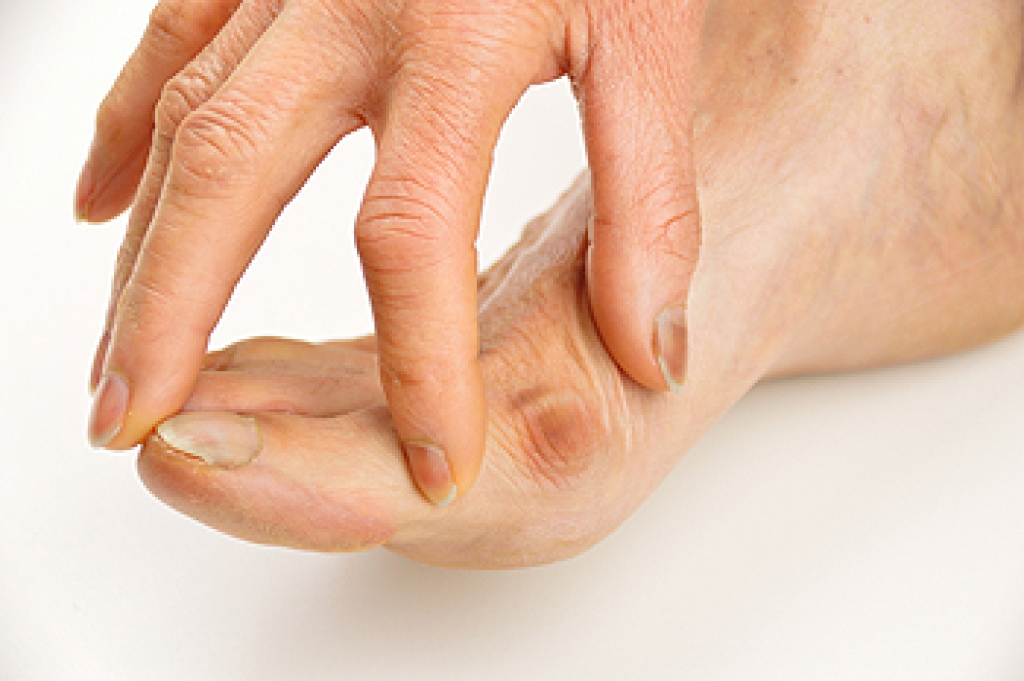
A plantar fibroma is a fibrous knot in the arch of the foot. It is embedded in the plantar fascia which is a band of tissue that extends from the heel to the toes along the bottom of the foot. There can be multiple plantar fibromas in the feet at the same time. There are no known causes for this condition. If you have a plantar fibroma, there will be a bump in the arch of your foot that cannot be missed. Any associated pain is most often due to a shoe rubbing against the nodule. Non-surgical options, such as steroid injections, physical therapy, and orthotics should be tried first. Surgery is a last resort and is the only thing that will remove a plantar fibroma entirely. Consult with a podiatrist for a proper diagnosis and to determine the treatment regimen that is right for you.

What Causes a Plantar Fibroma?

While there are no specific causes identified, a plantar fibroma can possibly come from genetic predisposition or the formation of scar tissue that forms from healing the tears in the plantar fascia.

What Are the Symptoms of a Plantar Fibroma?

There will be a noticeable lump in the arch of the foot that may or may not cause pain. If pain is felt, it is typically because a shoe is rubbing up against the lump or when walking or standing barefoot.

Treatment and Prevention

A plantar fibroma will not disappear without treatment, but it can get smaller and be a non-issue. If pain persists, a podiatrist examines the foot and when the arch of the foot is pressed, pain can be felt down to the toes. An MRI or biopsy might be performed to help diagnose or evaluate the plantar fibroma. The following non-surgical options are generally enough to reduce the size and pain of these nodules:

  • Steroid injections
  • Orthotics
  • Physical therapy to help apply anti-inflammatory creams on the bump 

Surgery is considered if the mass increases in size and the patient continues to feel pain after non-surgical methods are tried.

If you have any questions, please feel free to contact one of our offices located in Crestwood, Orland Park, and Summit, IL . We offer the newest diagnostic and treatment technologies for all your foot care needs.
Read more about Plantar Fibroma

Understanding Blisters on the Feet

Blisters are small pockets of fluid that form under the skin. On the feet, they can develop when repeated friction causes the skin to become irritated. Shoes that rub against the heel, toes, or other areas of the foot can create this friction. Blisters can also result from burns, skin reactions, or other conditions. A typical blister contains clear fluid and can cause pain or tenderness. Blood blisters can appear red or dark because small blood vessels under the skin have also been damaged. The location and appearance of a blister can provide clues about what caused it. Some blisters heal without causing further problems, while others can become painful or infected.

A podiatrist can examine a foot blister to determine its cause and check for signs of infection or other skin problems. An infected blister can become hot, swollen, and painful. Yellow or green fluid can also develop inside the blister. Redness surrounding the area can be another sign of infection. A podiatrist can evaluate these changes and determine the appropriate treatment. Professional care can also be helpful when blisters are very painful, keep returning, or appear without an obvious cause. Repeated blisters can sometimes point to an issue with the way shoes fit or how pressure is placed on certain areas of the foot.

Treatment depends on the blister and what caused it. A podiatrist can protect the affected area, address pressure or friction that is contributing to the problem, and determine whether the blister requires drainage or other treatment. When an infection is present, a podiatrist can recommend appropriate care to address it. A podiatrist can also evaluate recurring blisters to identify factors that could be contributing to them. Early evaluation can help prevent a small blister from becoming a larger foot problem. If you have developed foot blisters, it is suggested that you schedule an appointment with a podiatrist for effective relief and prevention tips.

Blisters are prone to making everyday activities extremely uncomfortable. If your feet are hurting, contact Dr. Mark Gagnon of Advanced Podiatry. Our doctor can provide the care you need to keep you pain-free and on your feet.

Foot Blisters

Foot blisters develop as a result of constantly wearing tight or ill-fitting footwear. This happens due to the constant rubbing from the shoe, which can often lead to pain.

What Are Foot Blisters?

A foot blister is a small fluid-filled pocket that forms on the upper-most layer of the skin. Blisters are filled with clear fluid and can lead to blood drainage or pus if the area becomes infected.

How Do Blisters Form?

Blisters on the feet are often the result of constant friction of skin and material, usually by shoe rubbing. Walking in sandals, boots, or shoes that don’t fit properly for long periods of time can result in a blister. Having consistent foot moisture and humidity can easily lead to blister formation.

Prevention & Treatment

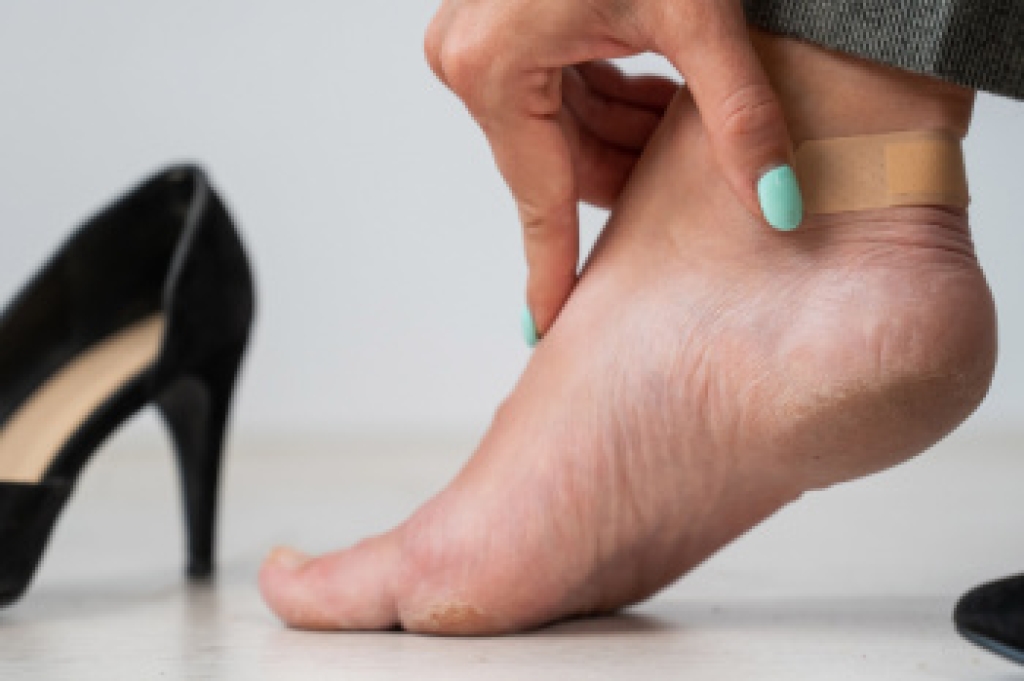
It is important to properly care for the affected area in order to prevent infection and ease the pain. Do not lance the blister and use a Band-Aid to provide pain relief. Also, be sure to keep your feet dry and wear proper fitting shoes. If you see blood or pus in a blister, seek assistance from a podiatrist.

If you have any questions, please feel free to contact one of our offices located in Crestwood, Orland Park, and Summit, IL . We offer the newest diagnostic and treatment technologies for all your foot care needs.

Read more about Blisters

Bunion Symptoms and How a Podiatrist Can Help

A bunion is more than a bump on the side of the big toe. It develops when the bones near the big toe move out of their normal position, causing the big toe to lean toward the smaller toes. The area can become red, swollen, and painful. A bunion can also affect how the foot fits inside shoes. Wearing tight, narrow, or high-heeled shoes can place extra pressure on the toe area and make symptoms harder to manage. Foot shape and structure can also play a role, so some people are more likely to develop bunions because of inherited foot traits. Pain can also develop when the bunion rubs against the inside of a shoe.

A podiatrist can examine the foot and determine how the bunion is affecting movement and comfort. Care depends on the patient's symptoms and the condition of the foot. A podiatrist can recommend ways to reduce pressure on the bunion, assess how shoes affect the toes, and discuss treatment options for painful or limiting symptoms. A bunion can also contribute to other foot problems, like arthritis, painful pressure beneath the front of the foot, and changes in the smaller toes. Because these problems can affect walking, an evaluation can help identify the source of discomfort and guide appropriate care.

When a bunion causes ongoing pain or makes normal activities difficult, a podiatrist can discuss whether surgery is appropriate. Surgery is designed to correct the bone position and improve the alignment of the big toe. The type of procedure depends on the size and position of the bunion and the needs of the patient. Not every person with a bunion needs surgery, so an examination is important before making that decision. Early evaluation can also help a podiatrist understand how the bunion affects the rest of the foot. If you have developed a bunion, it is suggested that you schedule an appointment with a podiatrist for effective relief and treatment solutions.

If you are suffering from bunions, contact Dr. Mark Gagnon of Advanced Podiatry. Our doctor can provide the care you need to keep you pain-free and on your feet.

What Is a Bunion?

A bunion is formed of swollen tissue or an enlargement of boney growth, usually located at the base joint of the toe that connects to the foot. The swelling occurs due to the bones in the big toe shifting inward, which impacts the other toes of the foot. This causes the area around the base of the big toe to become inflamed and painful.

Why Do Bunions Form?

Genetics – Susceptibility to bunions are often hereditary

Stress on the feet – Poorly fitted and uncomfortable footwear that places stress on feet, such as heels, can worsen existing bunions

How Are Bunions Diagnosed?

Podiatrists often perform two tests – blood tests and x-rays – when trying to diagnose bunions, especially in the early stages of development. Blood tests help determine if the foot pain is being caused by something else, such as arthritis, while x-rays provide a clear picture of your bone structure to your provider.

How Are Bunions Treated?

  • Refrain from wearing heels or similar shoes that cause discomfort
  • Select wider shoes that can provide more comfort and reduce pain
  • Anti-inflammatory and pain management drugs
  • Orthotics or foot inserts
  • Surgery

If you have any questions, please feel free to contact one of our offices located in Crestwood, Orland Park, and Summit, IL . We offer the newest diagnostic and treatment technologies for all your foot care needs.

Read more about What Are Bunions?

Reminder: When Was the Last Time...?

Custom orthotics, or shoe inserts, should be periodically replaced. Orthotics must fit properly to give you the best results. Protect your feet and ankles!

Connect With Us