Items filtered by date: July 2017
How to Avoid Common Running Injuries
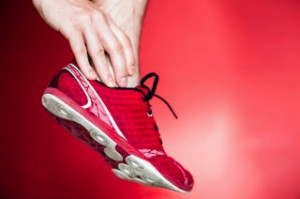 Summer is the most popular time of the year to go outside and become more active. While exercising is beneficial in order to get your body in shape, you are also becoming more susceptible to running injuries. Ankle sprains, stress fractures, and heel pain can all be preventable injuries if you take precautions before jumping into your workout routine. Unsurprisingly, one of the most common sources of running injuries happens to be improper footwear. You should always make sure that the shoes you buy provide enough support for your feet, and are made from a breathable material. Buying shoes that are made for the type of activity you will be performing can also help in avoiding injury. For example, you should buy running shoes if you want to go for a run, and walking shoes if you plan on walking.
Exercising your feet regularly with the proper foot wear is a great way to prevent injuries. If you have any concerns about your feet, contact Dr. Mark Gagnon of Advanced Podiatry. Our doctor will treat your foot and ankle needs.
How to Prevent Running Injuries
Many common running injuries are caused by overuse and overtraining. When the back of the kneecap starts wearing out and starts causing pain in your knee, this is commonly referred to as runner’s knee. Runner’s knee is a decrease in strength in your quadriceps and can occur if you’re not wearing properly fitted or supporting shoes. To prevent runner’s knee, focusing on hip strengthening is a good idea, as well as strengthening your quads to keep the kneecaps aligned.
What Are Some Causes of Running Injuries?
- One cause of a common running injury is called iliotibial band syndrome.
- Plantar fasciitis is also another common injury.
- Stress fractures can occur from overtraining, lack of calcium, or even your running style.
Best Ways to Prevent Running Injuries
- Wear footwear that fits properly and suits your running needs.
- Running shoes are the only protective gear that runners have to safeguard them from injury.
- Make a training schedule. Adding strengthening exercises as well as regular stretching can help keep you strong and limber and can lessen the possibility of injuries.
- Stretching keeps muscles limber; this will help you gain better flexibility.
If you have any questions please feel free to contact one of our offices located in Crestwood, Orland Park, and Summit, IL . We offer the newest diagnostic and treatment technologies for all your foot and ankle needs.
How Your Shoes Might Be Causing Your Blisters
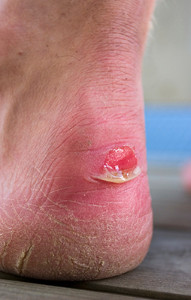 Blisters form as the result of an excessive amount of friction and pressure caused by ill-fitting footwear. While most blisters tend to heal three to seven days after they have formed, this isn’t always the case. More serious cases of blisters may not heal within this time frame and may even change color. If you want to avoid blisters you should always wear comfortable shoes that fit well. This is especially important if you are going for a run or doing some other rigorous activity. Another tip is to wear dual layer socks so that you can avoid any unnecessary friction. If you do end up developing a blister you should be careful not to pop it on your own. This could potentially lead to infection and make things much worse.
Blisters are prone to making everyday activities extremely uncomfortable. If your feet are hurting, contact Dr. Mark Gagnon of Advanced Podiatry. Our doctor can provide the care you need to keep you pain-free and on your feet.
Foot Blisters
Foot blisters develop as a result of constantly wearing tight or ill-fitting footwear. This happens due to the constant rubbing from the shoe, which can often lead to pain.
What Are Foot Blisters?
A foot blister is a small fluid-filled pocket that forms on the upper-most layer of the skin. Blisters are filled with clear fluid and can lead to blood drainage or pus if the area becomes infected.
How Do Blisters Form?
Blisters on the feet are often the result of constant friction of skin and material, usually by shoe rubbing. Walking in sandals, boots, or shoes that don’t fit properly for long periods of time can result in a blister. Having consistent foot moisture and humidity can easily lead to blister formation.
Prevention & Treatment
It is important to properly care for the affected area in order to prevent infection and ease the pain. Do not lance the blister and use a Band-Aid to provide pain relief. Also, be sure to keep your feet dry and wear proper fitting shoes. If you see blood or pus in a blister, seek assistance from a podiatrist.
If you have any questions, please feel free to contact one of our offices located in Crestwood, Orland Park, and Summit, IL . We offer the newest diagnostic and treatment technologies for all your foot care needs.
What Causes Heel Pain?
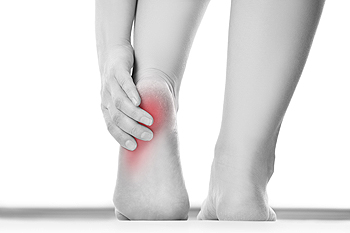 Many runners often complain about feeling pain in their heel, and the pain is usually caused by conditions such as plantar fasciitis and Achilles tendonitis. A 2012 study revealed that 1 in 10 people will develop plantar fasciitis in his or her lifetime, and many of these people will belong to the athletic community. If you are suffering from heel pain, it is important that you understand why it is happening so that you know how to treat it. One of the most common causes for heel pain is wearing old, worn-out running shoes. You should always make sure to replace your sneakers after every 500 miles of running. Another cause may be failing to stretch before you work out. It is crucial that you stretch your feet if you want to prevent and relieve any sort of heel pain.
Many people suffer from bouts of heel pain. For more information, contact Dr. Mark Gagnon of Advanced Podiatry. Our doctor can provide the care you need to keep you pain-free and on your feet.
Causes of Heel Pain
Heel pain is often associated with plantar fasciitis. The plantar fascia is a band of tissues that extends along the bottom of the foot. A rip or tear in this ligament can cause inflammation of the tissue.
Achilles tendonitis is another cause of heel pain. Inflammation of the Achilles tendon will cause pain from fractures and muscle tearing. Lack of flexibility is also another symptom.
Heel spurs are another cause of pain. When the tissues of the plantar fascia undergo a great deal of stress, it can lead to ligament separation from the heel bone, causing heel spurs.
Why Might Heel Pain Occur?
- Wearing ill-fitting shoes
- Wearing non-supportive shoes
- Weight change
- Excessive running
Treatments
Heel pain should be treated as soon as possible for immediate results. Keeping your feet in a stress-free environment will help. If you suffer from Achilles tendonitis or plantar fasciitis, applying ice will reduce the swelling. Stretching before an exercise like running will help the muscles. Using all these tips will help make heel pain a condition of the past.
If you have any questions please contact one of our offices located in Crestwood, Orland Park, and Summit, IL . We offer the newest diagnostic and treatment technologies for all your foot and ankle needs.
Tips for Dealing with Athlete’s Foot
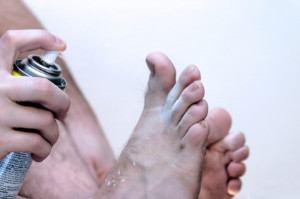 Athlete’s foot is a contagious fungal infection that can spread to the toenails and hands. The condition itself may be hard to cure, and it can be caught by direct contact with someone who has it or by touching surfaces that have been contaminated with it. The fungus has been found to thrive in damp environments such as showers, locker room floors, and around swimming pools. If you want to avoid getting athlete’s foot, you should wash your feet with soap and water and dry them thoroughly, especially between the toes. You also should avoid sharing your socks with other people since this can help spread the fungus. Lastly, be sure to change your socks when your feet get sweaty, and wear shoes that are made from a breathable material.
Athlete’s foot is an inconvenient condition that can be easily reduced with the proper treatment. If you have any concerns about your feet and ankles, contact Dr. Mark Gagnon from Advanced Podiatry. Our doctor will treat your foot and ankle needs.
Athlete’s Foot: The Sole Story
Athlete's foot, also known as tinea pedis, can be an extremely contagious foot infection. It is commonly contracted in public changing areas and bathrooms, dormitory style living quarters, around locker rooms and public swimming pools, or anywhere your feet often come into contact with other people.
Solutions to Combat Athlete’s Foot
- Hydrate your feet by using lotion
- Exfoliate
- Buff off nails
- Use of anti-fungal products
- Examine your feet and visit your doctor if any suspicious blisters or cuts develop
Athlete’s foot can cause many irritating symptoms such as dry and flaking skin, itching, and redness. Some more severe symptoms can include bleeding and cracked skin, intense itching and burning, and even pain when walking. In the worst cases, Athlete’s foot can cause blistering as well. Speak to your podiatrist for a better understanding of the different causes of Athlete’s foot, as well as help in determining which treatment options are best for you.
If you have any questions please feel free to contact one of our offices located in Crestwood, Orland Park, and Summit, IL . We offer the newest diagnostic and treatment technologies for all your foot and ankle needs.
Why it is Important to See a Podiatrist
 While many people tend to be concerned with the appearance of their toenails, it is crucial that the overall health of your feet is taken care of as well. This is why it is important that you have a podiatrist who can treat all your foot and ankle related problems. One of the more common problems that people go to a podiatrist for are ingrown toenails. The fact that podiatrists specialize in treating feet allows them to treat ingrown toenails with minimal pain. One podiatrist says, “I see countless people who were traumatized when treated elsewhere. This breaks my heart every time one of these patients walks into my office.” Seeking help from a podiatrist may be very beneficial when you are experiencing issues with your feet.
If you are experiencing pain in the feet or ankles, don’t join the stubborn majority refusing treatment. Feel free to contact Dr. Mark Gagnon from Advanced Podiatry. Our doctor can provide the care you need to keep you pain-free and on your feet.
What Is a Podiatrist?
Someone would seek the care of a podiatrist if they have suffered a foot injury or have common foot ailments such as heal spurs, bunions, arch problems, deformities, ingrown toenails, corns, foot and ankle problems, etc.
Podiatric Treatment
A podiatrist will treat the problematic areas of the feet, ankle or lower leg by prescribing the following:
- Physical therapy
- Drugs
- Orthotic inserts or soles
- Surgery on lower extremity fractures
A common podiatric procedure a podiatrist will use is a scanner or force plate which will allow the podiatrist to know the designs of orthotics. Patients are then told to follow a series of tasks to complete the treatment. The computer will scan the foot a see which areas show weight distribution and pressure points. The podiatrist will read the analysis and then determine which treatment plans are available.
If you have any questions please feel free to contact one of our offices located in Crestwood, Orland Park, and Summit, IL . We offer the newest diagnostic and treatment technologies for all your foot and ankle needs.
