Items filtered by date: November 2021
How to Help Your Body Adjust to Working on Your Feet
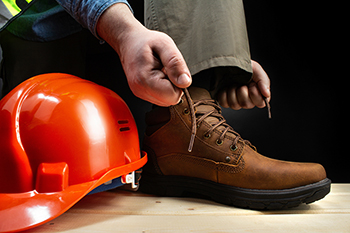
If you work on your feet all day, you may want to look into how you can lessen the impact this can have on your health. You may even be able to reduce pain, swelling, and other complications that working on your feet may be causing. The first order of business is to get yourself a good pair (or two) of leather shoes with quality construction, non-slip soles, cushioned inner lining, wide heels and support in the back for your ankles. Alternate those shoes daily. Take every break you are entitled to and sit down while elevating your feet. Try strengthening your body through fitness training, stretching, and building up your endurance. Soak your legs in a hot tub at night to relieve muscles. A podiatrist can also create custom orthotics to distribute weight more evenly and provide extra cushioning and structure. If your feet are in pain after working all day, seek the counsel of a podiatrist to explore all possible treatment options.
While working on the feet, it is important to take the proper care of them. For more information about working on your feet, contact Dr. Mark Gagnon from Advanced Podiatry. Our doctor will treat your foot and ankle needs.
Working on Your Feet
Standing on your feet for long periods of time can cause stress and pain in your feet. Your whole body may experience change in terms of posture, back pain, bunions, callouses and or plantar warts. There are ways to avoid these conditions with proper foot care, smart choices and correct posture.
Positive Changes
Negative heeled shoe – Choosing this shoe type places the heel slightly lower than the ball of the foot. These are great for overall foot health. Find shoes that fit you correctly.
Go barefoot – Our feet were not designed to be enclosed for all hours of the day. Try to periodically expose your feet to air.
Eliminate Pain
Foot Exercises – Performing simple exercises, incorporating yoga and doing stretches are beneficial. This will allow increased blood flow to the area and muscles of the foot.
Achilles tendon – Stretching the foot out flat on the floor will relax the calf muscles and tendon. These exercises can be performed almost anywhere. Make sure you add these exercises to your daily regimen.
With a little bit of this information and knowing more about foot health, you will notice changes. Foot stretches and proper footwear will help with pain and prevent further issues.
If you have any questions please feel free to contact one of our offices located in Crestwood, Orland Park, and Summit, IL . We offer the newest diagnostic and treatment technologies for all your foot and ankle needs.
How Podiatrists Diagnose and Heal Plantar Fasciitis
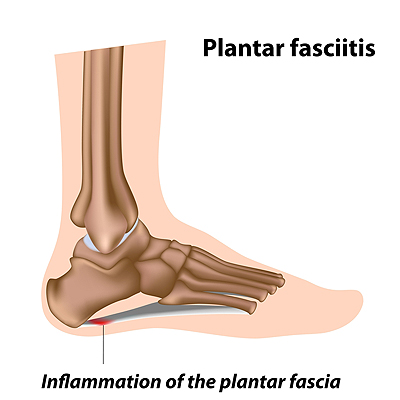
The band of tissue on the bottom of the foot, called the plantar fascia, plays a very important role in your body. It attaches the front of the foot to the heel bone, absorbs the body’s weight and pressure during movement, and supports the arch. There are a number of conditions or situations that overly stress the plantar fascia. Included are obesity, age, pregnancy, standing for prolonged periods of time, physical activities that strain the heel, or having high arches, flat feet and other conditions that cause you to over-pronate (roll your foot inwardly as you move). This excessive stress on the plantar fascia can irritate it or even tear it, causing it to become inflamed and painful. Podiatrists have a great deal of experience in treating plantar fasciitis as it is the leading cause of heel pain. A podiatrist may use tests such as an MRI, X-ray or ultrasound to properly diagnose plantar fasciitis and rule out other ailments that also cause heel pain. Other methods a podiatrist may use to reduce pain and treat plantar fasciitis include physical therapy, night splints that gently stretch the plantar fascia, orthotics that correct can help distribute weight more evenly, steroids to reduce inflammation and pain, and shock wave therapy that initiates the body’s healing response. In severe cases, surgery may be needed to help remove scar tissue or release tension and swelling. If you are experiencing any kind of heel pain, have it checked out by a podiatrist for proper diagnosis and treatment.
Plantar fasciitis is a common foot condition that is often caused by a strain injury. If you are experiencing heel pain or symptoms of plantar fasciitis, contact Dr. Mark Gagnon from Advanced Podiatry. Our doctor can provide the care you need to keep you pain-free and on your feet.
What Is Plantar Fasciitis?
Plantar fasciitis is one of the most common causes of heel pain. The plantar fascia is a ligament that connects your heel to the front of your foot. When this ligament becomes inflamed, plantar fasciitis is the result. If you have plantar fasciitis you will have a stabbing pain that usually occurs with your first steps in the morning. As the day progresses and you walk around more, this pain will start to disappear, but it will return after long periods of standing or sitting.
What Causes Plantar Fasciitis?
- Excessive running
- Having high arches in your feet
- Other foot issues such as flat feet
- Pregnancy (due to the sudden weight gain)
- Being on your feet very often
There are some risk factors that may make you more likely to develop plantar fasciitis compared to others. The condition most commonly affects adults between the ages of 40 and 60. It also tends to affect people who are obese because the extra pounds result in extra stress being placed on the plantar fascia.
Prevention
- Take good care of your feet – Wear shoes that have good arch support and heel cushioning.
- Maintain a healthy weight
- If you are a runner, alternate running with other sports that won’t cause heel pain
There are a variety of treatment options available for plantar fasciitis along with the pain that accompanies it. Additionally, physical therapy is a very important component in the treatment process. It is important that you meet with your podiatrist to determine which treatment option is best for you.
If you have any questions, please feel free to contact one of our offices located in Crestwood, Orland Park, and Summit, IL . We offer the newest diagnostic and treatment technologies for all your foot care needs.
Gout Pain Can Be Managed

Gout is a painful, inflammatory form of arthritis. Those affected will typically feel an intense stiffness in the joints of their feet, particularly in the big toe. Schedule a visit to learn about how gout can be managed and treated.
Stress Fractures 101
 A small hairline fracture is also referred to as a stress fracture. While stress fractures can occur in the pelvis, thigh bones, and shins, they most commonly occur in the lower legs, particularly affecting the bones of the midfoot. Stress fractures may occur in the foot because it is no longer able to bear weight. They are not commonly a result of a specific injury, but they are usually a result of overuse or repetitive motion. Because of this, athletes like runners, soccer players, and dancers are more likely to develop stress fractures. A common sign of a stress fracture is a sharp pain that is felt when bearing weight that will persist overtime or get worse as the fracture also worsens. Those who are experiencing foot pain and believe that they may have a stress fracture should consult with a podiatrist for treatment.
Stress fractures occur when there is a tiny crack within a bone. To learn more, contact Dr. Mark Gagnon from Advanced Podiatry. Our doctor can provide the care you need to keep you pain free and on your feet.
How Are They Caused?
Stress fractures are the result of repetitive force being placed on the bone. Since the lower leg and feet often carry most of the body’s weight, stress fractures are likely to occur in these areas. If you rush into a new exercise, you are more likely to develop a stress fracture since you are starting too much, too soon. Pain resulting from stress fractures may go unnoticed at first, however it may start to worsen over time.
Risk Factors
- Gender – They are more commonly found in women compared to men.
- Foot Problems – People with unusual arches in their feet are more likely to develop stress fractures.
- Certain Sports – Dancers, gymnasts, tennis players, runners, and basketball players are more likely to develop stress fractures.
- Lack of Nutrients – A lack of vitamin D and calcium may weaken the bones and make you more prone to stress fractures
- Weak Bones – Osteoporosis can weaken the bones therefore resulting in stress fractures
Stress fractures do not always heal properly, so it is important that you seek help from a podiatrist if you suspect you may have one. Ignoring your stress fracture may cause it to worsen, and you may develop chronic pain as well as additional fractures.
If you have any questions, please feel free to contact one of our offices located in Crestwood, Orland Park, and Summit, IL . We offer the newest diagnostic and treatment technologies for all your foot care needs.
How Are Corns Removed?
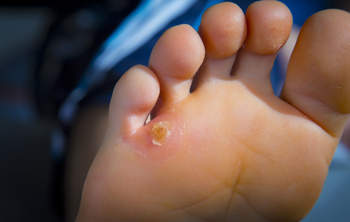
Corns are small, hardened bumps of skin that can grow on the feet due to friction. Even though they are small, corns can be tender and painful enough to interfere with daily activities. In addition to more conservative treatments like resting the affected foot and wearing wider, more comfortable shoes, various other treatment methods can be used to help get rid of a corn. Corns can be chemically removed using salicylic acid to pare down dead, thickened skin before it is trimmed off. More stubborn corns can also be removed with a scalpel by your podiatrist. If you have painful corns, it is suggested that you seek the care of a podiatrist near you.
Corns can make walking very painful and should be treated immediately. If you have questions regarding your feet and ankles, contact Dr. Mark Gagnon of Advanced Podiatry. Our doctor will treat your foot and ankle needs.
Corns: What Are They? And How Do You Get Rid of Them?
Corns are thickened areas on the skin that can become painful. They are caused by excessive pressure and friction on the skin. Corns press into the deeper layers of the skin and are usually round in shape.
Ways to Prevent Corns
There are many ways to get rid of painful corns such as:
- Wearing properly fitting shoes that have been measured by a professional
- Wearing shoes that are not sharply pointed or have high heels
- Wearing only shoes that offer support
Treating Corns
Although most corns slowly disappear when the friction or pressure stops, this isn’t always the case. Consult with your podiatrist to determine the best treatment option for your case of corns.
If you have any questions please feel free to contact one of our offices located in Crestwood, Orland Park, and Summit, IL . We offer the newest diagnostic and treatment technologies for all your foot and ankle needs.
What Is Sever’s Disease?
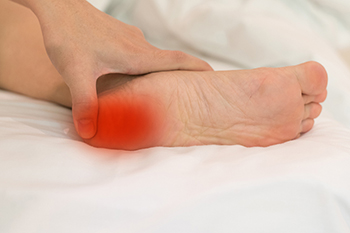 When children between the ages of 8 and 14 struggle with heel pain, it is often a result of Sever’s disease. This occurs when the bones in the calves grow slightly quicker than the Achilles tendon (which connects the calf muscles to the heel bone). When this happens, the tendon tightens and the bones in the heels become swollen and sore. As the child continues to grow, there is thankfully no long-term damage caused by Sever’s disease. Common signs of Sever’s disease include limping, tenderness in the heel, and swelling in the heel bone, particularly after running and jumping activities. Parents who believe that their child is suffering from Sever’s disease should consult with a podiatrist for a proper diagnosis and treatment.
Sever's disease often occurs in children and teens. If your child is experiencing foot or ankle pain, see Dr. Mark Gagnon from Advanced Podiatry. Our doctor can treat your child’s foot and ankle needs.
Sever’s Disease
Sever’s disease is also known as calcaneal apophysitis, which is a medical condition that causes heel pain I none or both feet. The disease is known to affect children between the ages of 8 and 14.
Sever’s disease occurs when part of the child’s heel known as the growth plate (calcaneal epiphysis) is attached to the Achilles tendon. This area can suffer injury when the muscles and tendons of the growing foot do not keep pace with bone growth. Therefore, the constant pain which one experiences at the back of the heel will make the child unable to put any weight on the heel. The child is then forced to walk on their toes.
Symptoms
Acute pain – Pain associated with Sever’s disease is usually felt in the heel when the child engages in physical activity such as walking, jumping and or running.
Highly active – Children who are very active are among the most susceptible in experiencing Sever’s disease, because of the stress and tension placed on their feet.
If you have any questions, please feel free to contact one of our offices located in Crestwood, Orland Park, and Summit, IL . We offer the newest diagnostic and treatment technologies for all your foot and ankle injuries.
