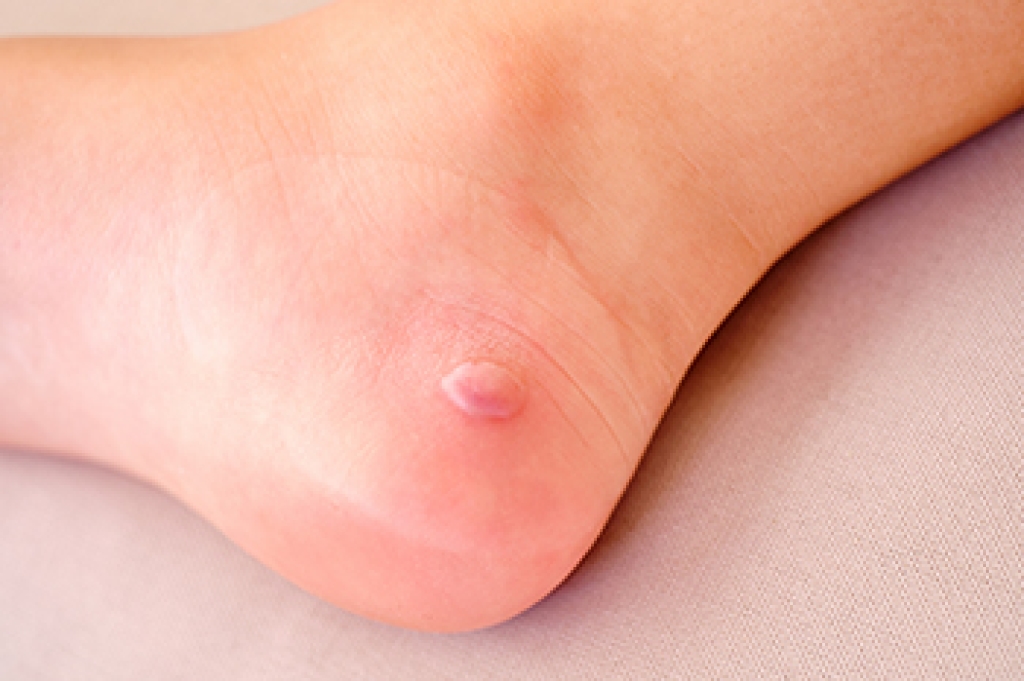
Blisters are fluid-filled pockets that develop on the outer layer of the skin. They commonly appear on the feet, where repeated rubbing or pressure can irritate one area. Shoes that do not fit properly may repeatedly rub against the skin and contribute to blister formation. Blisters can also develop for reasons unrelated to friction. Burns, frostbite, and certain skin conditions are possible causes. Although many foot blisters are minor, they can become painful and make walking uncomfortable. Understanding what caused a blister is important, especially when several blisters appear without an obvious reason.
A blister creates a natural layer of protection over the irritated skin underneath. Popping a blister breaks its protective layer of skin, which increases the risk of infection and may slow healing. Warning signs may include pus draining from the blister or skin around it becoming red and swollen. Warmth and increasing pain can also signal a problem. Medical attention is particularly important for people with diabetes or circulation problems because foot injuries may require closer monitoring. A fever accompanying a blister is another reason to contact a healthcare professional. Multiple unexplained blisters should also be evaluated to determine whether an underlying skin condition or illness may be responsible.
A podiatrist can examine a foot blister and determine whether friction, infection, or another problem may be contributing to it. The evaluation can include checking the surrounding skin and considering whether footwear is placing repeated pressure on the affected area. Professional assessment is especially valuable when a blister is painful, appears infected, or continues to return. A podiatrist can also evaluate patients with diabetes or poor circulation, since these conditions can make foot problems more concerning. Identifying the cause can help guide appropriate treatment and reduce the chance of complications. Persistent foot discomfort should not be ignored when skin damage is present. If a foot blister becomes increasingly painful, shows signs of infection, or develops repeatedly, it is suggested that you consult a podiatrist for safe and sterile treatment options.
Blisters may appear as a single bubble or in a cluster. They can cause a lot of pain and may be filled with pus, blood, or watery serum. If your feet are hurting, contact Dr. Mark Gagnon of Advanced Podiatry. Our doctor can provide the care you need to keep you pain-free and on your feet.
Foot Blisters
Foot blisters are often the result of friction. This happens due to the constant rubbing from shoes, which can lead to pain.
What Are Foot Blisters?
A foot blister is a small fluid-filled pocket that forms on the upper-most layer of the skin. Blisters are filled with clear fluid and can lead to blood drainage or pus if the area becomes infected.
Symptoms
(Blister symptoms may vary depending on what is causing them)
- Bubble of skin filled with fluid
- Redness
- Moderate to severe pain
- Itching
Prevention & Treatment
In order to prevent blisters, you should be sure to wear comfortable shoes with socks that cushion your feet and absorb sweat. Breaking a blister open may increase your chances of developing an infection. However, if your blister breaks, you should wash the area with soap and water immediately and then apply a bandage to the affected area. If your blisters cause severe pain it is important that you call your podiatrist right away.
If you have any questions, please feel free to contact one of our offices located in Crestwood, Orland Park, and Summit, IL . We offer the newest diagnostic and treatment technologies for all your foot care needs.
