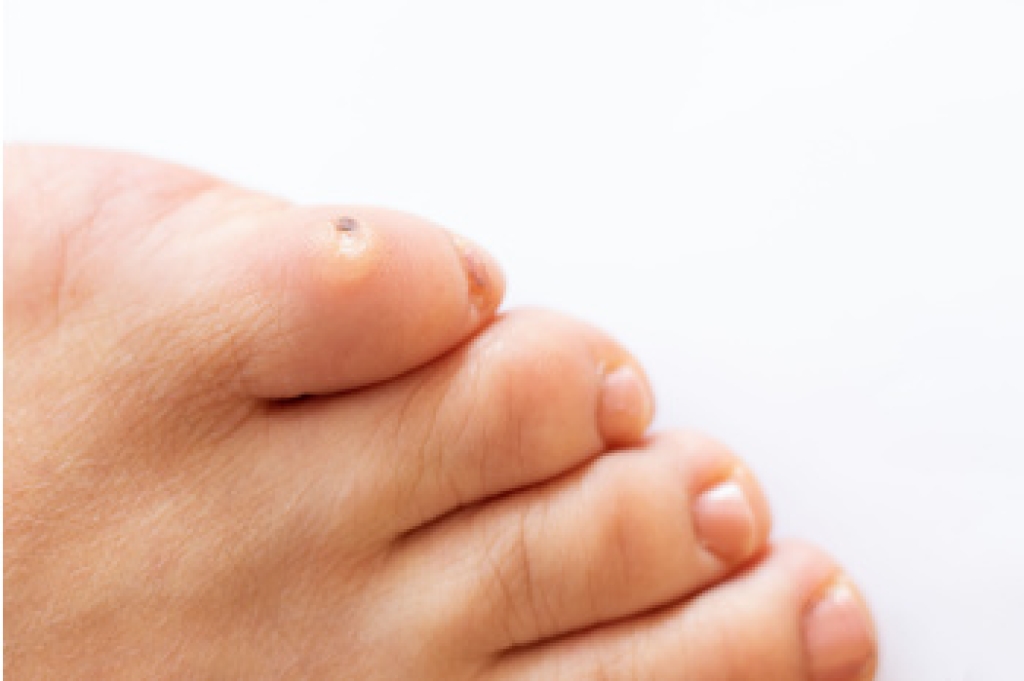
Corns develop when repeated pressure or rubbing causes the skin to thicken in a small area. They usually appear on the tops or sides of toes, although they also form between toes. A hard corn has a firm center surrounded by thicker skin. A soft corn develops where moisture keeps the skin tender, especially between neighboring toes. Both types may cause sharp pain when shoes press against them. Some people notice a rough bump or a sensitive spot while walking. Tight shoes and changes in toe position increase friction. Corns differ from calluses, which usually cover wider areas of skin. Understanding the source of pressure helps a podiatrist choose suitable treatment and reduce repeated discomfort.
A podiatrist examines the affected area and checks whether the thickened skin is a corn or another problem. The examination includes reviewing shoe fit, toe alignment, and tender pressure points. Some corns develop near bent toes or prominent joints that rub against shoes. A podiatrist may carefully remove layers of thickened skin using professional instruments. This treatment reduces pressure on the sensitive area beneath the corn. Protective padding may also help separate rubbing surfaces. When foot structure contributes to recurring corns, custom orthotics may improve pressure distribution. The podiatrist checks for redness or broken skin that might signal complications. Patients with diabetes or poor circulation require special attention because even small skin injuries deserve careful evaluation.
Painful corns sometimes change the way patients walk or stand. Avoiding pressure on one toe may increase strain elsewhere in the foot. A podiatrist considers these changes when developing a treatment plan. Follow-up visits help determine whether the corn is returning and whether pressure relief is effective. The podiatrist may recommend adjustments to shoe fit or additional protective support based on the patient's foot shape. Repeated corns deserve evaluation because removing thickened skin alone does not address their underlying cause. Podiatric treatment focuses on comfort, healthy skin, and better movement throughout everyday activities and regular routines. If you have developed corns, it is suggested that you schedule an appointment with a podiatrist for effective relief, treatment, and prevention techniques.
If you have any concerns regarding your feet and ankles, contact Dr. Mark Gagnon of Advanced Podiatry. Our doctor will treat your foot and ankle needs.
Corns: What Are They? and How Do You Get Rid of Them?
Corns can be described as areas of the skin that have thickened to the point of becoming painful or irritating. They are often layers and layers of the skin that have become dry and rough, and are normally smaller than calluses.
Ways to Prevent Corns
There are many ways to get rid of painful corns such as wearing:
- Well-fitting socks
- Comfortable shoes that are not tight around your foot
- Shoes that offer support
Treating Corns
Treatment of corns involves removing the dead skin that has built up in the specific area of the foot. Consult with Our doctor to determine the best treatment option for your case of corns.
If you have any questions, please feel free to contact one of our offices located in Crestwood, Orland Park, and Summit, IL . We offer the newest diagnostic and treatment technologies for all your foot care needs.
